How to Earn a Living as a Football Psychologist: A Complete Guide
- Dr Paul McCarthy

- Aug 15, 2025
- 10 min read
Introduction
The mental side of football has gained tremendous recognition in recent years. As teams and individual players seek every possible competitive edge, the role of a football psychologist has become increasingly vital. Becoming a football psychologist requires specialized training in both psychology and sports science. This growing field offers a rewarding career path for those passionate about both psychology and sports, particularly football. This guide will walk you through everything you need to know about establishing yourself and earning a living in this specialized profession.
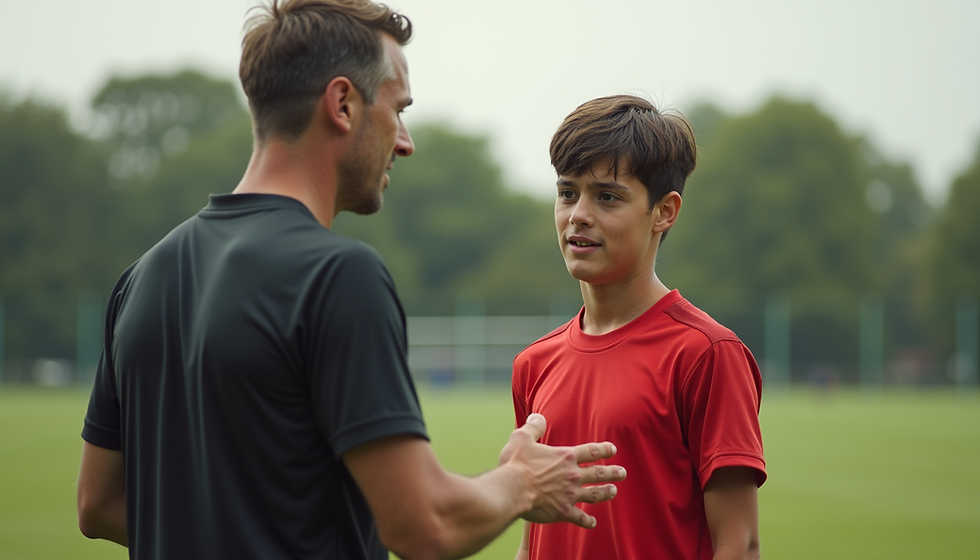
The Path to Becoming a Sports Psychologist Specializing in Football
A licensed sports psychologist must complete extensive education and supervised practice. The journey to becoming a qualified professional in this field involves several key steps, each building upon the previous one to develop your expertise and credibility.
Undergraduate Education: The Foundation
The first step toward a career as a football psychologist begins with undergraduate education. You’ll need to pursue one of these options:
A psychology degree accredited by a recognized body such as the British Psychological Society (BPS) in the UK
A sport and exercise science degree with substantial psychology components
During your undergraduate studies, focus on courses related to sports psychology, performance psychology, and athletic mental health whenever possible. This early specialization will provide a solid foundation for your future career.
Working as a sports psychologist in football offers unique challenges and rewards. To prepare for these challenges, seek opportunities to gain practical experience through:
Volunteering with sports teams
Internships with athletic departments
Research assistantships with professors studying sports psychology
Obtaining the Right Sports Psychology Certification
Sports psychology certification requirements vary by country and governing body. In the UK, for example, you’ll need to achieve Graduate Basis for Chartered Membership (GBC) with the BPS. This certification serves as evidence that you’ve completed the necessary foundational education in psychology.
In the United States, certification often comes through organizations like the Association for Applied Sport Psychology (AASP), which offers the Certified Mental Performance Consultant (CMPC) credential.
Obtaining proper sports psychology certification demonstrates your commitment to professional standards and enhances your credibility with potential employers and clients.
Postgraduate Education: Specialization
After completing your undergraduate degree, you’ll need specialized postgraduate education:
A master’s degree in sport and exercise psychology from an accredited institution
Doctoral-level qualifications, which might include:
A qualification in Sport and Exercise Psychology (like the QSEP offered by the BPS)
A Professional Doctorate in Sport and Exercise Psychology
A Ph.D. with a focus on sports psychology
During your postgraduate studies, tailor your research and practical experiences toward football whenever possible. This specialization will make you more marketable to football organizations later in your career.
Meeting Sports Psychologist Education Requirements
The role of a sports psychologist extends beyond performance enhancement to overall mental wellbeing. To fulfill this role effectively, you must meet specific educational requirements:
Completion of supervised practice (typically 2+ years)
Registration with regulatory bodies (such as the HCPC in the UK)
Continuing professional development to maintain licensure
These requirements ensure that you have the necessary skills and knowledge to provide effective psychological support to athletes and teams.
Understanding the Football Psychologist Career Path: Education and Training
The football psychologist career path typically begins with a psychology degree followed by specialized training. Beyond formal education, developing practical skills and experience is crucial for success in this field.
Practical Experience and Internships
While pursuing your education, seek opportunities to gain hands-on experience:
Volunteer with local football teams
Complete internships with sports organizations
Shadow established sports psychologists
Participate in research projects related to football psychology
Understanding the football psychologist career path helps in planning your education and professional development. Many successful professionals in this field have combined academic excellence with practical experience to build their careers.
Developing Specialized Knowledge
To stand out in this competitive field, develop expertise in areas specifically relevant to football:
Performance anxiety management
Injury recovery psychology
Team cohesion and dynamics
Leadership development
Stress management techniques
Concentration and focus training
Motivation and goal-setting strategies
This specialized knowledge will make you more valuable to football organizations and individual athletes seeking psychological support.
Exploring the Sports Psychology Career Options in Football
Building a successful sports psychology career requires both clinical skills and sports knowledge. The field offers various career paths, each with its own requirements and opportunities.
Working with Professional Teams
One of the most prestigious career options is working directly with professional football teams. In these roles, you might:
Provide one-on-one counseling to players
Develop team-building programs
Work with coaches on communication strategies
Help players manage performance pressure
Support athletes through injuries and recovery
A sports psychology career focused on football can lead to opportunities with professional teams at various levels, from local clubs to national teams and major leagues like the NFL.
Key Football Team Psychologist Responsibilities
Football team psychologist responsibilities include both individual counseling and team dynamics work. On a day-to-day basis, you might:
Conduct psychological assessments of players
Develop mental skills training programs
Facilitate team-building workshops
Provide crisis intervention when needed
Consult with coaching staff on player management
Help athletes balance personal and professional challenges
Support players through career transitions
Understanding football team psychologist responsibilities helps in preparing for this specialized role and setting realistic expectations about the work involved.
Working as a Mental Performance Coach for Athletes
Some football psychologists work as mental performance coaches, focusing specifically on helping athletes optimize their mental game. In this role, you would:
Develop personalized mental training programs
Teach visualization and imagery techniques
Help athletes establish pre-performance routines
Work on focus and concentration skills
Address performance anxiety
Build mental toughness and resilience
This specialization allows you to focus on the performance aspects of psychology while still making a significant impact on athletes’ wellbeing.
Academic and Research Careers
Many professionals find that a sports psychology career offers a good balance of clinical work and performance enhancement. Some choose to pursue academic careers, where they:
Conduct research on football psychology topics
Teach the next generation of sports psychologists
Publish findings in academic journals
Develop new interventions and techniques
Consult with teams while maintaining academic positions
This path allows you to contribute to the advancement of the field while maintaining a stable academic position.
NFL Psychologist Salary and Compensation Expectations
The NFL psychologist salary range varies based on experience and team budget. Understanding the financial aspects of this career is important for planning your professional future.
Entry-Level Compensation
When starting your career as a football psychologist, you can expect:
Starting salaries ranging from $40,000 to $60,000 (US) or £20,000 to £25,000 (UK)
Benefits packages that may include healthcare, retirement plans, and sometimes travel allowances
Potential for bonuses based on team performance
These figures vary significantly based on location, the level of the team, and your specific qualifications.
Mid-Career and Senior-Level Earnings
As you gain experience and establish your reputation:
Mid-career professionals can earn $60,000 to $100,000 (US) or £27,000 to £40,000 (UK)
Senior positions may command $100,000+ (US) or £48,000 to £60,000 (UK)
An NFL psychologist salary typically exceeds that of psychologists in other sports settings
Factors affecting NFL psychologist salary include location, team performance, and individual credentials. Psychologists working with successful teams in major markets tend to earn more than those with smaller organizations.
Private Practice and Consulting Income
Many football psychologists supplement their income through:
Private practice work with individual athletes
Consulting arrangements with multiple teams
Speaking engagements and workshops
Book deals and media appearances
Top consultants can charge daily rates of up to $1,500 (US) or £1,000 (UK) when working with elite teams and athletes.
Essential Skills Every Sports Psychologist Needs for Success
Beyond formal education, certain skills and qualities are essential for success as a sports psychologist:
Clinical and Therapeutic Skills
Strong counseling abilities
Assessment and diagnostic expertise
Crisis intervention capabilities
Knowledge of various therapeutic approaches
Understanding of mental health conditions
Sports-Specific Knowledge
Familiarity with football culture and terminology
Understanding of team dynamics
Knowledge of the physical demands of the sport
Awareness of common injuries and their psychological impacts
Appreciation for the unique pressures of competitive sports
Business and Professional Skills
Communication and presentation abilities
Networking and relationship-building
Basic business management (for private practice)
Marketing and self-promotion
Professional ethics and boundaries
Developing these skills will enhance your effectiveness and marketability as a football psychologist.
Career Opportunities for Sports Psychologists in Football
Career opportunities for sports psychologists continue to expand as teams recognize the importance of mental health. The field offers diverse paths for qualified professionals.
Professional Football Teams
Working directly with teams offers exciting opportunities:
Full-time positions with professional clubs
Part-time consulting arrangements
Tournament or competition-specific roles
Youth academy positions focusing on developing players
These positions typically require significant experience and strong references from within the football community.
Private Practice Specializing in Athletes
Starting your sports psychology private practice allows for greater flexibility and potentially higher earnings. In private practice, you can:
Work with athletes from multiple teams and sports
Set your own schedule and fees
Develop specialized programs and interventions
Build a reputation as an expert in specific areas
Expand your services beyond traditional therapy
Many established football psychologists maintain private practices while also consulting with teams or organizations.
Sports Organizations and Governing Bodies
Opportunities exist with organizations that oversee football:
National football associations
Olympic committees
Sports medicine institutes
Player unions and associations
Youth development programs
These roles often focus on policy development, program implementation, and supporting multiple teams or athletes.
Academic and Research Positions
For those interested in advancing the field:
University teaching positions
Research fellowships
Sports science institute roles
Publishing and academic writing
Curriculum development for sports psychology programs
These positions allow you to contribute to the theoretical foundations of football psychology while training future professionals.
Providing Effective Football Player Mental Health Support
Providing football player mental health support requires understanding the unique pressures of the sport. Athletes face challenges that differ from the general population, including:
Performance anxiety and pressure
Identity issues tied to athletic performance
Public scrutiny and media attention
Career uncertainty and short career spans
Physical injuries and their psychological impacts
Team dynamics and relationship challenges
Effective football player mental health support addresses both performance anxiety and personal challenges. A holistic approach considers the athlete as a whole person, not just a performer.
Common Mental Health Concerns in Football
Be prepared to address issues such as:
Anxiety disorders
Depression
Substance use problems
Eating disorders and body image concerns
Sleep disturbances
Adjustment difficulties
Stress management
Retirement and career transition issues
Developing expertise in these areas will make you more effective in supporting football players’ mental health needs.
Finding and Securing NFL Psychologist Jobs
NFL psychologist jobs are competitive but offer excellent compensation and professional growth. To increase your chances of landing these coveted positions:
Networking and Relationship Building
The football world values relationships and personal recommendations:
Attend sports psychology conferences and events
Join professional organizations in sports psychology
Connect with current and former football players and coaches
Build relationships with sports medicine professionals
Engage with football clubs at lower levels to gain experience
Many NFL psychologist jobs require previous experience with elite athletes. Starting with college teams, minor leagues, or youth academies can provide valuable experience and connections.
Creating a Specialized Portfolio
Develop materials that showcase your expertise:
Case studies (anonymized) of your work with athletes
Testimonials from coaches or players you’ve worked with
Examples of mental training programs you’ve developed
Research or articles you’ve published on football psychology
Presentations or workshops you’ve conducted
This portfolio demonstrates your capabilities and specialization in football psychology.
Job Search Strategies
Searching for NFL psychologist jobs requires networking and specialized credentials. Be strategic in your approach:
Set up job alerts on sports industry job boards
Follow teams and organizations on social media for announcements
Contact teams directly with your resume and a tailored cover letter
Consider internships or volunteer positions to get your foot in the door
Look for temporary positions during training camps or tournaments
Persistence and flexibility are key in this competitive field.
Starting Your Sports Psychology Private Practice
Many football psychologists choose to establish private practices, either as their primary career or alongside team positions.
Setting Up Your Practice
To establish a successful private practice:
Obtain all necessary licenses and insurance
Decide on a business structure (sole proprietorship, LLC, etc.)
Create a professional website highlighting your football specialization
Develop service packages tailored to athletes
Establish policies for fees, scheduling, and confidentiality
Set up a professional office space (physical or virtual)
A well-structured practice provides the foundation for professional success.
Marketing Your Services
To attract clients to your practice:
Develop relationships with teams, coaches, and sports medicine professionals
Create valuable content demonstrating your expertise
Speak at sports conferences and events
Offer workshops for teams or coaching staffs
Use social media to share insights and build your brand
Consider writing for sports publications or websites
Effective marketing highlights your specialized knowledge of football psychology and the unique benefits you offer to athletes.
Balancing Clinical Work and Business Aspects
Running a private practice requires wearing multiple hats:
Clinician providing psychological services
Business manager handling finances and operations
Marketer promoting your services
Administrator managing scheduling and paperwork
Developing systems to handle these various aspects efficiently will help you maintain focus on providing quality services to your clients.
Challenges and Solutions in Football Psychology
Like any specialized field, football psychology presents unique challenges:
Establishing Credibility
Challenge: Being accepted in the traditionally closed world of football. Solution: Start with smaller teams or youth programs to build your reputation gradually. Let results speak for themselves, and collect testimonials from satisfied clients.
Maintaining Confidentiality
Challenge: Balancing player privacy with team needs for information. Solution: Establish clear boundaries and agreements about what information will be shared. Focus on providing actionable insights without breaching confidentiality.
Managing Irregular Schedules
Challenge: Adapting to the unpredictable schedules of teams and competitions. Solution: Develop flexible working arrangements and use technology for remote sessions when necessary. Set clear policies about availability and emergency contact.
Measuring and Demonstrating Value
Challenge: Quantifying the impact of psychological interventions. Solution: Develop assessment methods that track relevant metrics. Combine subjective feedback with objective performance data when possible.
Conclusion
Earning a living as a football psychologist offers a unique blend of challenges and rewards. This career path allows you to combine your passion for psychology with the exciting world of football, making a meaningful difference in athletes’ lives and performance.
The journey requires significant investment in education, training, and professional development, but the opportunities are expanding as the importance of mental health and performance psychology gains recognition in the football world.
Whether you choose to work directly with teams, establish a private practice, pursue academic research, or combine these approaches, the field offers diverse paths for qualified professionals. By developing specialized expertise, building strong relationships within the football community, and continuously enhancing your skills, you can build a successful and fulfilling career as a football psychologist.
Remember that success in this field comes not just from academic knowledge but from a genuine understanding of football culture and the unique challenges faced by players and teams. With dedication, persistence, and strategic career planning, you can establish yourself as a valued professional in this specialized and growing field.