How to Build Mental Toughness for Young Athletes: A Parent's Step-by-Step Guide
- Dr Paul McCarthy

- Dec 30, 2025
- 8 min read

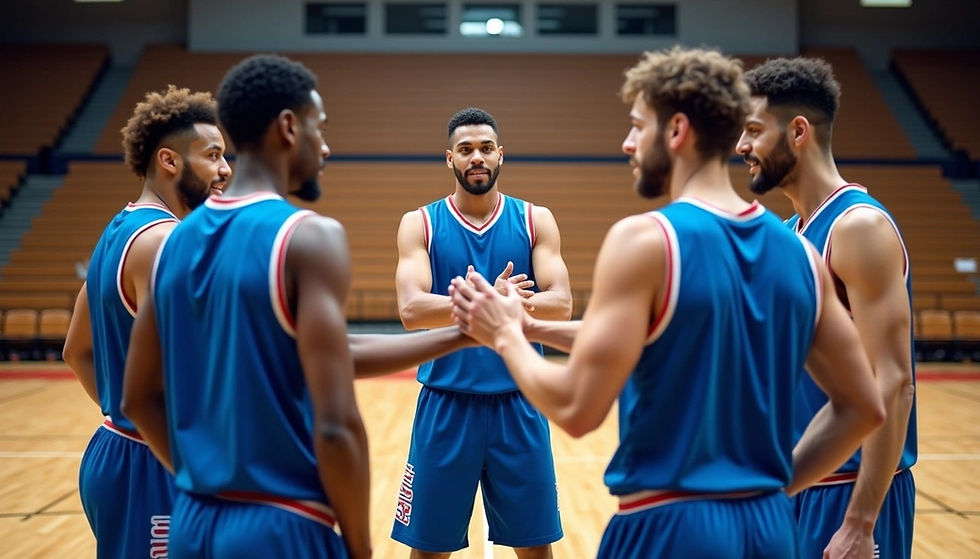
Did you know that 82% of wrestling coaches rate mental toughness for young athletes as the most significant psychological attribute for success, especially at higher levels?
Mental toughness stands as a vital component of athletic success. A 2019 review indicates that mental toughness ranks top among Olympians for successful performance and outcomes. Athletes with similar physical abilities often find their success determined by psychological factors that separate winners from losers in sports.
Research shows that resilience isn't a natural character trait in children. They can develop it steadily over time. The belief that abilities grow through effort, learning, and persistence - known as a growth mindset - helps build this mental resilience effectively.
The pandemic brought loss and hardship to every child, which made our role as parents more significant in building their mental strength. Children learn to value hard work and perseverance as we emphasize effort over innate talent, which builds their mental resilience.
This piece outlines practical steps to help your young athlete develop mental toughness needed for sports and life's challenges ahead. Let's begin this experience together.
Understanding Mental Toughness in Young Athletes
Mental toughness is a vital psychological resource that helps young athletes deliver consistent performance while dealing with pressures and challenges. Research defines it as "a personal capacity to produce consistently high levels of subjective or objective performance despite everyday challenges and stressors as well as significant adversities" [1]. This concept goes beyond simple determination and shapes how young athletes handle competitive environments.
What mental toughness really means
Mental toughness covers several key psychological attributes that work together. Leading researchers have identified four essential components in the 4Cs model:
Control: Managing emotions and maintaining focus
Commitment: Following through on goals despite obstacles
Challenge: Viewing setbacks as growth opportunities
Confidence: Maintaining belief in one's abilities under pressure
These components help young athletes handle competitive pressure. Young athletes who are mentally tough show much lower anxiety levels than their peers [2]. This allows them to stay psychologically stable during intense competitions.
Why it matters in youth sports
Mental toughness sets athletes apart at different performance levels. Research shows that athletes with stronger mental toughness compete at higher levels and achieve better results [3]. On top of that, it leads to better mental health, improved well-being, lower stress levels, less depression, and better sleep quality [4].
Young athletes get many benefits from developing mental toughness:
Better perseverance during tough training sessions
An edge in high-pressure situations
Better self-esteem and optimism
More life satisfaction beyond sports [5]
Mental toughness vs. resilience
People often mix up mental toughness and resilience, but they're different psychological concepts. Resilience is about "the ability to recover from a situation" - how you react when things go wrong [6]. Mental toughness takes a broader view of how athletes deal with challenges.
One expert puts it clearly: "Resilience is the element that helps you to survive, whereas mental toughness is the element that enables you to thrive" [6]. Resilience depends on various protective factors, including mental toughness itself [7]. Resilience helps athletes bounce back from setbacks. Mental toughness helps them perform well through challenges - a small but significant difference in young athletes' development.
The 4 Pillars of Mental Toughness (The 4Cs Model)
The 4Cs model stands as the most accessible framework to understand mental toughness in sports psychology. Researchers Clough and Earle developed this detailed approach that expresses four key components working together to build psychological resilience in young athletes.
Control: Managing emotions and focus
Control shows how young athletes manage their emotions and attention under pressure. Athletes with strong control "get on with it" whatever their emotional state and work through challenging situations without losing focus [8]. This component has two main parts:
Emotional control - keeping anxiety and frustration in check during competition
Life control - believing your actions can influence outcomes
Young athletes who develop control learn to focus on "controlling the controllables" instead of wasting mental energy on things they can't influence [9]. They also develop strategies that work to handle two emotions that often hurt performance: anxiety and anger/frustration [9].
Commitment: Following through on goals
Commitment shows an athlete's skill at setting goals and pushing through obstacles to achieve them [8]. It combines reliability, focus, and success-enabling routines. Sport commitment has been defined as a "psychological construct representing the desire and decision to continue sport participation" [10].
Athletes who score high in commitment show:
Strong goal orientation - they visualize and target activities toward objectives
Achievement orientation - they work persistently toward goals despite setbacks
Lower chance of quitting sports [10]
Challenge: Seeing setbacks as opportunities
Challenge measures how athletes handle difficulties and changes. Athletes with high challenge scores see obstacles as exciting opportunities to grow rather than threats [1]. These athletes:
Adopt new experiences and quickly grow bored with routine
See changes as growth opportunities instead of sources of fear
Take calculated risks and adapt quickly to new situations
Thrive on variety and novelty in their training
Confidence: Believing in their own ability
Confidence shows a young athlete's self-belief in completing activities, especially when faced with difficult tasks [1]. This final component has:
Self-belief - trusting your abilities even against tough competition
Interpersonal confidence - knowing how to work with others for support
Research shows that confidence grows when athletes accomplish goals and overcome increasingly difficult challenges [11]. Parents and coaches should create progressively challenging tasks that allow for step-by-step success while maintaining a 70-95% success rate - the optimal zone to build confidence without causing anxiety or disengagement [6].
Step-by-Step Actions Parents Can Take
Parents serve a vital role in developing mental toughness in young athletes. Your daily interactions shape your child's psychological resilience, beyond just cheering from the sidelines. Here are five proven strategies you can start using right away:
1. Build strong emotional connections
Strong bonds make athletes more resilient by reducing their feelings of isolation [2]. You can encourage these connections by starting each practice or game day with simple questions about goals or fun topics like favorite snacks. Team leaders can suggest icebreaker activities that help teammates find common ground [2]. These bonds create a safe space where young athletes can share their frustrations, disappointments, and fears without feeling judged [3].
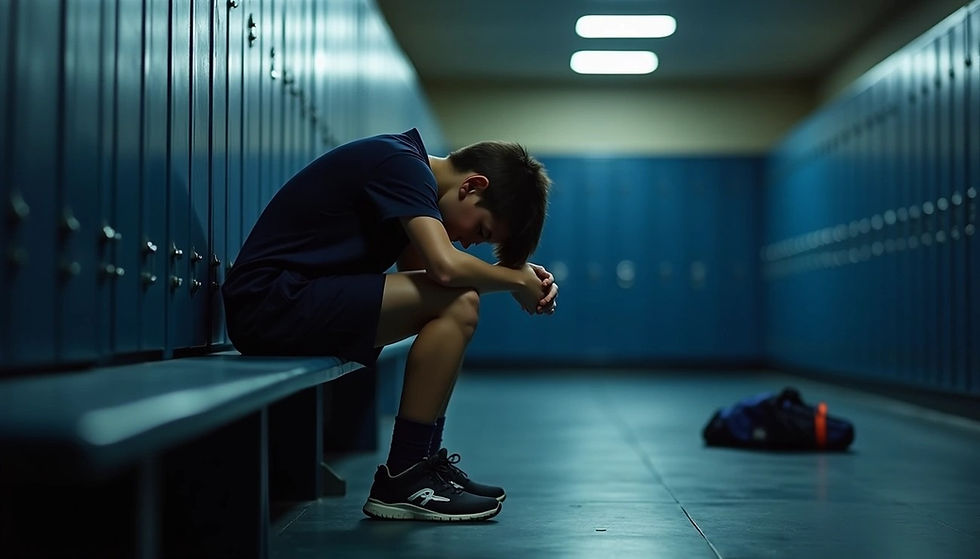
2. Help them manage discomfort and failure
"Nobody grows when they're comfortable," as experts clearly point out [2]. Learning to handle discomfort is vital to building mental toughness because growth happens beyond comfort zones. You should step back and let your athlete deal with challenges while showing understanding. Help them see failure as a chance to grow [5]. Let the team express their frustrations briefly when facing obstacles, then guide them to find positives in the situation [2].
3. Set meaningful and realistic goals
Goals focused on the process work better than those fixated on outcomes [12]. Athletes should focus on developing specific skills or maintaining consistent practice instead of targeting championships that involve many factors beyond their control [12]. The goals need to challenge yet remain achievable, broken down into smaller steps [5]. This method lets athletes track their progress and celebrate small wins, which builds confidence and reduces fear of failure [5].
4. Encourage decision-making and ownership
Athletes develop autonomy and confidence when they learn through guided discovery rather than rigid instruction [13]. Teach young athletes to explore multiple options before making decisions instead of picking the first solution that comes up [2]. This practice builds resilience—they know other options exist if one approach fails [2]. Each athlete should get leadership chances by taking turns to lead warm-ups, select drills, or run cool-downs [2].
5. Promote positive self-talk and affirmations
Research shows athletes who use positive self-talk perform better under pressure and bounce back faster from mistakes [14]. Start by helping them spot negative thought patterns—looking for phrases with words like "can't" or "never" [7]. Replace these thoughts with realistic ones: "I improve with practice" instead of "I'll never get this right" [15]. Self-talk works best when the cues are meaningful, brief (one or two words), and mentally "loud" to redirect focus from technical details [7].
Tools and Resources to Support Mental Growth
Young athletes can build mental toughness faster with many resources beyond their daily practice and coaching. The right tools make this experience more effective.
Recommended mental toughness books for young athletes
Several books give practical strategies to build psychological resilience. Mental Toughness For Young Athletes (Parent's Guide) by Moses and Troy Horne teaches eight proven 5-minute mindset exercises tailored for competitive sports [16]. The Champion's Mind by Jim Afremow is a great way to get insights into visualization, self-talk, and overcoming adversity - key skills that build mental toughness [17]. Carol Dweck's Mindset teaches young athletes to accept challenges from a growth-oriented viewpoint [17].
Podcasts and videos that inspire resilience
The Sport Excellence podcast tackles specific challenges through episodes like "How to Help Young People Develop a Can-Do Attitude" and "Understanding Your Nervous System to Optimize Potential" [18]. Michael Huber's podcast shares this powerful insight: "Resilience isn't just getting through adversity; it's about doing something different to leap back" [19]. David Goggins' videos show mental toughness principles through his unique experience as an ultra-endurance athlete [20].
Using journals and reflection exercises
Athletes can use journals as structured ways to process experiences, track progress, and develop mental strength [21]. Studies show reflective writing improves athletic performance because it enhances self-awareness, emotional regulation, and goal achievement [21]. The "three good things" exercise works well - athletes write down three positive daily experiences and their contribution to them [9].
When to seek professional mental coaching
Professional mental performance coaching helps athletes at all levels handle frustration, confidence swings, pressure, and perfectionism [8]. The 5-Minute Mental Workout technique gives athletes a simple pre-competition routine with breathing exercises, power thoughts, visualization, skill reminders, and team-first mindset [8].
Conclusion
Building mental toughness is a trip, not a destination for young athletes. Parents shape this growth through daily interactions, thoughtful guidance, and the right environment for psychological development. Physical abilities might be equal, but mental toughness ended up making the difference between good athletes and great ones.
The development of the 4Cs—Control, Commitment, Challenge, and Confidence—needs consistent effort and patience. Your child will face setbacks, but these moments are a great way to get opportunities for growth and learning. Each conquered challenge builds their mental resilience for future obstacles.
You can put these practical tools to work right away. Strong emotional bonds, comfort with discomfort, realistic goals, decision-making, and positive self-talk work together to create lasting mental fortitude. On top of that, books, podcasts, journals, and professional coaching help supplement your efforts.
Mental toughness reaches way beyond the reach and influence of sports performance. Young athletes who develop these skills apply them to academics, careers, and relationships throughout life. Knowing how to persevere, manage emotions, welcome challenges, and maintain self-belief are the foundations for success in all they strive for.
This development happens step by step. Small, consistent actions create most important results over time. Your patience, support, and guidance through this process make a huge difference. We can help young athletes build not just physical prowess but also the mental strength they need to thrive both on and off the field.
Key Takeaways
Mental toughness isn't just a nice-to-have trait—it's the psychological differentiator that separates good young athletes from great ones, and it can be systematically developed through parental guidance and consistent practice.
• Master the 4Cs Framework: Focus on building Control (emotional management), Commitment (goal persistence), Challenge (viewing setbacks as opportunities), and Confidence (self-belief) in your young athlete.
• Create emotional safety first: Build strong connections through daily check-ins and empathetic listening—psychological safety is the foundation for all mental toughness development.
• Embrace productive discomfort: Allow your child to struggle through challenges while providing support, as growth only happens outside comfort zones.
• Set process-focused goals: Target skill development and consistent effort rather than outcomes like championships, breaking larger objectives into manageable steps.
• Develop positive self-talk habits: Help identify negative thought patterns and replace them with realistic, empowering alternatives that boost performance under pressure.
The journey of building mental toughness extends far beyond sports—these psychological skills become life tools that serve young athletes in academics, careers, and relationships. Remember, this development happens gradually through small, consistent actions over time, making your patient guidance and support absolutely crucial to their long-term success.
References
[1] - https://www.ambition.co.uk/blog/2017/02/the-4-cs-of-mental-toughness[2] - https://truesport.org/perseverance/build-resilience-in-youth-athletes/[3] - https://www.drpaulmccarthy.com/post/child-sport-psychology-a-complete-guide-to-helping-young-athletes-thrive[4] - https://www.trine.edu/academics/centers/center-for-sports-studies/blog/2021/mental_toughness_the_key_to_athletic_success.aspx[5] - https://accelerate.sport/blog-post/how-to-help-young-athletes-overcome-the-fear-of-failure/[6] - https://www.psychologytoday.com/gb/blog/building-momentum/202501/the-science-of-building-athletic-confidence-in-youth-athletes[7] - https://www.drpaulmccarthy.com/post/how-to-build-mental-toughness-in-young-athletes-a-pro-coach-s-step-by-step-guide[8] - https://alivecounselling.com/sports-psychology/mental-performance-coaching-for-youth-athletes/[9] - https://www.opexfit.com/blog/4-key-journaling-strategies-athletes[10] - https://www.psicothema.com/pdf/3357.pdf[11] - https://truesport.org/respect-accountability/7-ways-help-athlete-confident/[12] - https://truesport.org/goal-setting/6-keys-to-youth-sports-goals/[13] - https://icoachkids.org/learn/empowering-young-athletes-decision-making-in-youth-sport[14] - https://theathleteacademy.uk/self-talk-in-youth-athletes/[15] - https://www.childpsychologist.com.au/resources/sports-psychology-tips-to-stop-negative-self-talk[16] - https://www.waterstones.com/book/mental-toughness-for-young-athletes-parents-guide/moses-horne/troy-horne/9798642603963[17] - https://isport360.com/top-5-books-for-youth-sports-athletes/[18] - https://www.sport-excellence.co.uk/psychology-youth-sports/[19] - https://prezerosportstalk.com/podcast/the-mental-game-plan-building-resilience-in-youth-sports/[20] - https://positivepsychology.com/mental-toughness-for-young-athletes/[21] - https://isport360.com/7-powerful-journaling-ideas-for-youth-sports-athletes/