


ADHD and Anger Outbursts: Why Your Child Loses Control During Football

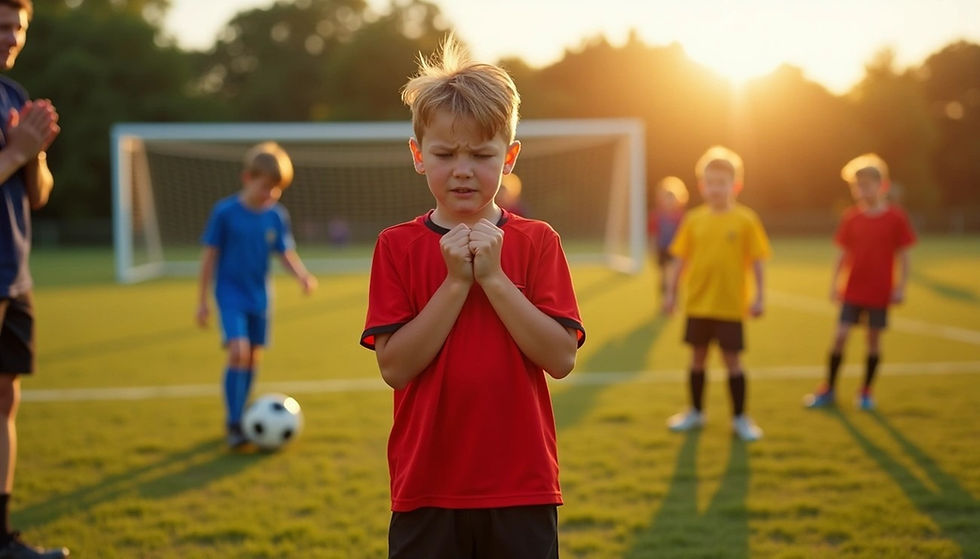
ADHD and angry outbursts during football matches can turn what should be an enjoyable experience into a stressful ordeal for both you and your child. Anger is a normal and useful emotion , but these emotions often feel more intense and overwhelming in neurodivergent children, especially during competitive sports . Losing triggers anger and frustration as normal responses . But you need to understand when ADHD aggression crosses from healthy emotional expression to problematic behavior if you want anger parenting to work. This piece will help you identify triggers and recognize warning signs. You'll also learn practical anger management strategies to support your child during football, whether you're a parent managing anger on the sidelines or recognizing patterns like ADHD and anger outbursts in adults.
Why ADHD and Anger Outbursts Happen During Football
Emotion dysregulation sits at the heart of why your child has trouble on the football field. Research shows that as many as one in two children with ADHD display signs of emotional dysregulation [1]. This goes beyond simple hyperactivity or inattention. The brain networks that regulate attention, behavior and impulse control are affected in children with ADHD, and these same networks contribute to emotion regulation.
What makes football especially challenging is that children with ADHD don't just have trouble controlling their emotions. They feel bigger feelings than their neurotypical peers do. Studies reveal these children experience greater weaknesses in emotional reactivity than in regulatory control. The emotions hit harder and faster, and this overwhelms their knowing how to respond.
Football amplifies these challenges through multiple pathways. The sensory environment itself can trigger difficulties. Unfamiliar players, spectators, crowd noise and team tension create overwhelming sensory experiences that affect focused attention. Your child may perform well at the time of practicing with familiar teammates in controlled settings. Sensory processing difficulties combine with anxiety about performance during actual matches and increase the likelihood of emotional flooding.
Low frustration tolerance compounds the problem. Children with ADHD become frustrated when faced with blocked goals, whether that's a missed shot, a referee's call or a teammate's mistake. Rejection sensitivity plays a role as well. Years of negative feedback create children who are hypersensitive to criticism and make coaching corrections or teammate reactions feel intensely personal.
Recognizing When Your Child Is Losing Control
Knowing how to spot early warning signs helps you intervene before your child reaches full meltdown mode. Research indicates that 70-80% of children with ADHD have atypical emotion regulation [1]. Recognizing their unique escalation patterns becomes critical for anger parenting.
Physical symptoms appear first. Your child's heart beats faster and muscles tense up. Fists clench. Some kids develop sweaty palms or experience a churning stomach. Others describe their thoughts racing or their brain feeling fuzzy. These bodily reactions happen because the amygdala activates and floods the system with stress hormones like adrenaline and cortisol. Clear thinking becomes nearly impossible.
Watch for specific behavioral markers on the football field. Stomping feet and clenched fists often precede verbal outbursts. Your child might yell at a teammate who didn't pass the ball or start crying after missing a shot. Helmet throwing, abrupt comments, or aggressive playing styles signal mounting frustration. Body language deteriorates, hence the importance of early detection.
What makes ADHD aggression distinctive is the speed of escalation. Parents and coaches describe it as going "from 0 to 100 real quick." Your child lacks the processing know-how to recognize their own feelings and adjust them to the situation. They become flooded with emotions after small mistakes and worry about errors. Once annoyed, they struggle to calm down. Coaching criticism hits harder, feels more personal, and triggers reactions compared to neurotypical peers.
How Parents Can Help Manage ADHD Aggression in Football
Managing ADHD aggression in football starts with your own behavior. Your child's nervous system takes cues from yours, so staying calm yourself becomes the most powerful tool you have at the time your child melts down. Slow your breathing and keep your voice soft. Difficulties with tolerating frustration can cause anger problems, and counseling can help children learn how to tolerate normal frustrations and develop better coping mechanisms [2]. Work closely with your child's doctor for appropriate medication and therapy recommendations. Typical stimulant medications for ADHD are often not effective in helping with anger problems [3]. Behavioral counseling has clear evidence pointing to its benefits in treating emotional regulation problems [2]. Teach your child to put feelings into words. A child loses control often because he is unable to express his frustration [4]. "I'm really angry" can prevent anger from morphing into violence when said out loud. Anger should be like a sneeze: it clears the passageways and is over [5]. Resist the urge to overanalyse or criticise losses. Children with ADHD find it very hard to handle losing [6]. Give players space to express genuine emotions first, then point out something positive from the game with specific phrases focusing on effort rather than outcome [6].
Conclusion
ADHD and anger outbursts during football stem from genuine neurological differences in how your child experiences emotions. These moments feel overwhelming, but you now have the tools to recognize early warning signs and respond in ways that work. Note that staying calm yourself sets the foundation for your child's regulation. Work closely with healthcare professionals and teach emotional vocabulary. Focus on effort over outcomes. Your child can learn to manage their bigger feelings and enjoy the game with patience and consistent support.
Key Takeaways
Understanding why children with ADHD struggle with anger during football helps parents provide better support and create positive sporting experiences.
• Children with ADHD experience emotions more intensely than neurotypical peers, making football's sensory overload and competitive pressure overwhelming triggers for outbursts.
• Watch for early warning signs like clenched fists, racing thoughts, and aggressive play to intervene before full meltdowns occur.
• Stay calm yourself during your child's outbursts - your nervous system directly influences theirs and helps them regulate emotions faster.
• Teach your child to verbalize feelings with phrases like "I'm really angry" to prevent emotions from escalating into aggressive behavior.
• Focus on effort rather than outcomes after games, and work with healthcare professionals since typical ADHD medications often don't address anger issues.
With proper understanding and support strategies, children with ADHD can learn to manage their intense emotions and develop healthy coping mechanisms for competitive sports situations.
References
[1] - https://theathletemind.com/cortneewhitesportsblogarticles/adhd-athletes[2] - https://www.additudemag.com/anger-issues-adhd-emotional-dysregulation/?srsltid=AfmBOopPumSDlZf_EFHpmFeSUbjJFwWBumTDBadgWKsEj_glfrlJT5wT[3] - https://www.psychologytoday.com/gb/blog/helping-kids-through-adhd/202008/adhd-anger-and-emotional-regulation[4] - https://www.additudemag.com/anger-management-techniques-for-children-with-adhd/?srsltid=AfmBOorE30UEnxHpbB2K2HQf5oiyBUCrNZfH12cvHusWTyqyY6eKutZO[5] - https://www.additudemag.com/anger-management-techniques-for-children-with-adhd/?srsltid=AfmBOoofRrAmoLbE09GMu630FjITksbMjVxIs-PQF6STnbiUbFnnBybu[6] - https://www.drpaulmccarthy.com/post/sport-psychologist-s-guide-why-adhd-athletes-excel-even-after-losing-games


