Understanding and Addressing Lack of Confidence in Sports: A Comprehensive Guide
- Dr Paul McCarthy

- Aug 4, 2025
- 7 min read
Introduction: The Confidence Factor in Athletic Performance
Developing confidence in sports is crucial for achieving peak performance and enjoying athletic activities. Whether you’re a professional athlete, weekend warrior, or youth sports participant, the psychological aspect of performance often determines success more than physical ability alone. Research shows that confidence in sports directly correlates with better performance outcomes and resilience, with studies establishing a positive correlation (r = 0.25) between self-confidence and athletic achievement.
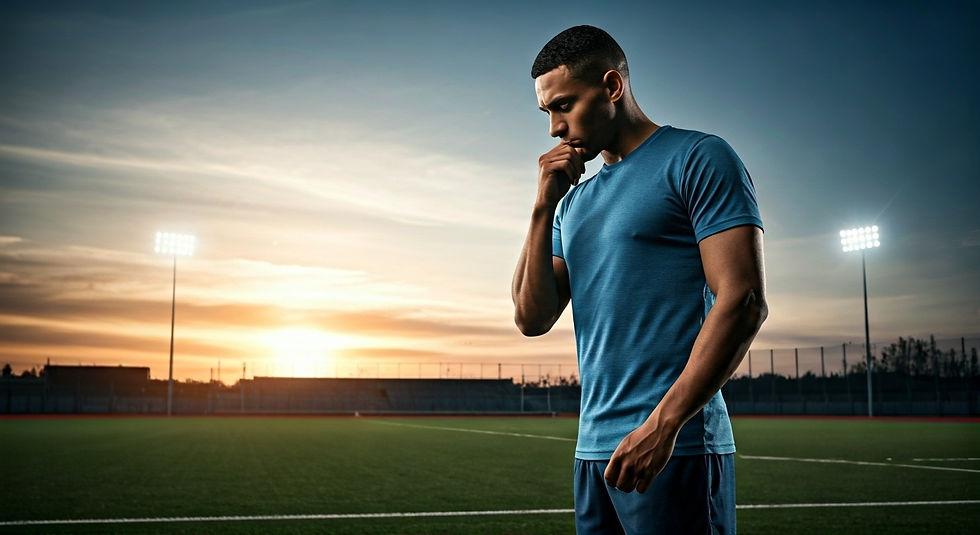
Many athletes struggle with maintaining confidence or lack of confidence in sports, especially after setbacks or injuries. From Olympic champions to recreational players, confidence issues can affect anyone at any level. This article explores the psychological foundations of sports confidence, common causes of confidence issues, and evidence-based strategies to build and maintain confidence in competitive environments.
Understanding Confidence in Sports: The Psychological Foundation
Sports confidence is built through a combination of preparation, experience, and mental training. According to sports psychology research, self-confidence in athletics is defined as “the perceived ability to accomplish a certain level of performance.” This perception influences how athletes approach challenges, respond to setbacks, and perform under pressure.
The psychological foundation of sports confidence has several key components:
The Dual Nature of Confidence
Confidence functions as both a stable personality trait and a fluctuating psychological state. Some athletes naturally possess higher baseline confidence levels, while others must work more deliberately to build their self-belief. Even naturally confident athletes may experience significant dips in confidence based on circumstances and situations.
Performance Context Impact
The relationship between confidence and performance varies significantly depending on the sport type and duration. Research indicates that individual sports show stronger confidence-performance links compared to team sports, where collective confidence also plays a role. Additionally, short-duration sports demonstrate more direct confidence impacts than endurance events, where confidence fluctuations may occur throughout performance.
Elite athletes often attribute their success to unwavering sports confidence in crucial moments. As six-time Olympic gold medalist Allyson Felix once said, “I have learned that track doesn’t define me. My faith defines me. I’m running because I have been blessed with a gift.”
Common Causes of a Lack of Confidence in Athletes
Many athletes struggle with confidence at some point in their careers. Understanding the root causes can help address these issues effectively. Research has identified several primary factors that contribute to confidence issues:
Internal Factors
Fragile Self-Confidence: Many athletes develop confidence that depends heavily on recent results rather than a stable sense of self-worth and ability.
Trust Issues: Athletes often struggle to trust their training and instincts during competition, especially under pressure.
Perfectionism: Excessive focus on flawless performance can undermine confidence when inevitable mistakes occur.
Fear of Failure: Anxiety about disappointing others or not meeting standards can create a negative mindset that erodes confidence.
Self confidence in sports allows athletes to perform under pressure without second-guessing their abilities. When this self-confidence is compromised by internal factors, performance typically suffers as athletes become hesitant and overly analytical.
External Factors
High Expectations: Strict performance standards from coaches, parents, or the athletes themselves can create pressure that undermines confidence.
Social Pressure: Concerns about others’ perceptions and approval can shift focus away from performance.
Competition Environment: Unfamiliar situations, hostile crowds, or high-stakes events can challenge even well-established confidence.
Past Performance: Previous failures or setbacks, especially in similar situations, can create negative expectations.
Coaches play a vital role in developing sports confidence in their athletes through supportive feedback. Understanding how coaches can foster confidence in athletes is essential for creating successful teams. The coach-athlete relationship significantly influences how athletes respond to these external factors.
Signs of Low Confidence in Athletes
Recognizing the signs of confidence issues is the first step toward addressing them. Athletes experiencing confidence problems typically display several observable indicators:
Behavioral Signs
Hesitation before or during performance
Avoiding challenges or competitive situations
Excessive focus on others’ performances
Seeking constant reassurance
Negative body language (slumped shoulders, downcast eyes)
Performance Impacts
Inconsistent execution of well-practiced skills
Performing better in practice than competition
“Choking” under pressure
Difficulty recovering from mistakes
Playing it safe rather than performing aggressively
Psychological Manifestations
Negative self-talk and self-criticism
Catastrophic thinking about potential outcomes
Difficulty focusing or excessive focus on irrelevant details
Pre-competition anxiety and sleep disturbances
Loss of enjoyment in the sport
Athletes wondering how to build confidence in sports should focus on preparation, visualization, and positive self-talk. Recognizing these signs early allows for more effective intervention before confidence issues become deeply entrenched.
Evidence-Based Strategies for Building Confidence in Sports
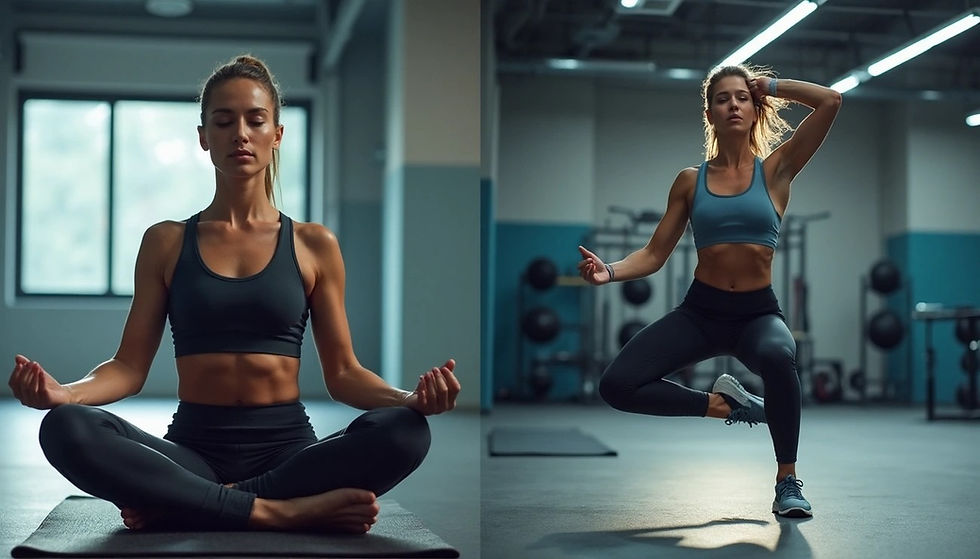
Building confidence in sports requires both physical preparation and mental conditioning. Research supports several effective approaches for developing and maintaining athletic confidence:
Mental Preparation Techniques
Self-Talk Development
Developing self confidence in sports is a process that requires consistent practice and positive reinforcement. One of the most effective techniques is cultivating positive self-talk:
Create specific confidence-boosting statements tailored to your sport
Practice regular positive affirmations that counter negative thoughts
Develop situation-specific mental scripts for challenging scenarios
Use cue words that trigger confident feelings during performance
As Olympic champion Michael Phelps noted, “You can’t put a limit on anything. The more you dream, the farther you get.”
Visualization Practices
Many psychological techniques can help improve self confidence in sports at any competitive level. Visualization is particularly powerful:
Practice detailed imagery of successful performance in various scenarios
Create emotional connections to visualized success
Incorporate all senses into visualization practice
Regularly rehearse mental images of overcoming challenges
Performance-Based Approaches
Goal Setting Framework
The process of building confidence in sports often begins with setting and achieving small, manageable goals:
Establish short-term, achievable objectives that build toward larger goals
Focus on process-oriented goals rather than just outcomes
Progressively increase challenges as confidence grows
Celebrate achievements to reinforce confidence
Performance Focus Strategies
Effective confidence building strategies for athletes include visualization, goal-setting, and performance routines:
Emphasize controllable elements of performance
Develop a process-centered approach to competition
Focus on functional execution rather than perfect performance
Create pre-performance routines that establish confidence
Sports psychologists recommend various confidence building strategies for athletes at different developmental stages. The most successful approaches address both mental and physical aspects of performance.
Inspirational Confidence in Sports Quotes from Elite Athletes

Many athletes find motivation in confidence in sports quotes from their role models and champions. These insights from top performers provide valuable perspective:
“I’ve failed over and over and over again in my life. And that is why I succeed.” - Michael Jordan
“It’s not whether you get knocked down; it’s whether you get up.” - Vince Lombardi
“The difference between the impossible and the possible lies in a person’s determination.” - Tommy Lasorda
“Confidence comes from discipline and training.” - Robert Kiyosaki
“You have to believe in yourself when no one else does – that makes you a winner right there.” - Venus Williams
Sharing confidence in sports quotes can help team members inspire each other during challenging times. Coaches often use these quotes to reinforce positive mindsets before competitions.
Real Athletes Who Overcame Confidence Issues
Learning from athletes who have successfully navigated confidence challenges provides valuable insights and inspiration.
Annie Tagoe’s Journey
British sprinter Annie Tagoe faced multiple confidence challenges throughout her career:
Body image issues that affected her self-perception
Eating disorders that impacted her performance
Multiple injury setbacks that threatened her career
Tagoe achieved success through:
Developing a strong support system of coaches and mental health professionals
Embarking on a personal acceptance journey
Building resilience through progressive challenges
Her perseverance culminated in a bronze medal at the 2023 World Athletics Championships, demonstrating how confidence can be rebuilt even after significant setbacks.
Jessica Ennis-Hill’s Experience
Olympic heptathlon champion Jessica Ennis-Hill faced public body image criticism and intense media pressure throughout her career. She transformed these challenges into Olympic success by:
Focusing on performance rather than appearance
Working with sports psychologists to develop mental toughness
Using criticism as motivation rather than discouragement
Ennis-Hill later became an advocate for body positivity and mental health in sports, helping other athletes navigate similar challenges.
Best Practices: How Coaches Can Foster Confidence in Athletes
Research shows how coaches can foster confidence in athletes through specific communication techniques and training approaches. Effective coaching strategies include:
Creating Supportive Environments
Provide specific, technique-focused feedback rather than general criticism
Celebrate effort and improvement, not just outcomes
Create training environments that allow for productive failure
Develop individualized approaches based on athletes’ confidence needs
Communication Strategies
Use a high ratio of positive to corrective feedback (aim for 5:1)
Frame mistakes as learning opportunities rather than failures
Communicate belief in athletes’ abilities, especially during struggles
Model confident behavior and positive self-talk
Training Approaches
Design progressive challenges that build confidence through success
Incorporate pressure situations in practice to build competitive confidence
Teach mental skills alongside physical techniques
Help athletes develop pre-performance routines that establish confidence
Learning how coaches can foster confidence in athletes is a critical component of modern coaching education. The coach-athlete relationship significantly influences confidence development, especially in youth sports.
Proven Confidence Building Strategies for Athletes at All Levels
Understanding how to build confidence in sports starts with recognizing that confidence is a
skill that can be developed. Here are comprehensive strategies for athletes at all levels:
Psychological Skill Development
Research supports integrating six core psychological skills:
Goal setting: Creating clear, achievable objectives
Confidence building: Specific exercises to enhance self-belief
Imagery: Mental rehearsal of successful performance
Self-talk: Developing positive internal dialogue
Fighting spirit: Cultivating resilience and determination
Concentration: Improving focus on relevant performance cues
Advanced Training Methods
The most cutting-edge approaches include:
Neurofeedback training to optimize mental states
Combined mental and physical preparation techniques
Emotional regulation strategies for high-pressure situations
Stress management techniques specific to competitive environments
Expectation Management
Parents and coaches seeking advice on how to build confidence in sports should create supportive environments that celebrate effort. Key strategies include:
Setting realistic performance goals based on current abilities
Focusing on execution over outcomes
Developing a process-oriented mindset
Regularly assessing confidence levels and adjusting approaches
Conclusion: The Journey to Building Confidence in Sports
Developing confidence in sports is not a destination but an ongoing journey. Research shows that confidence in sports directly correlates with better performance outcomes and resilience. The strategies outlined in this article provide a roadmap for athletes, coaches, and parents to address confidence issues effectively.
Remember that confidence fluctuates naturally throughout an athletic career. Even elite athletes experience doubts and setbacks. The difference lies in how they respond to these challenges and the tools they use to rebuild confidence.
By understanding the psychological foundations of sports confidence, recognizing the signs of confidence issues, and implementing evidence-based strategies, athletes at all levels can develop the mental strength needed for peak performance. As legendary basketball coach John Wooden said, “Success is never final, failure is never fatal. It’s courage that counts.”
Building confidence in sports requires both physical preparation and mental conditioning. With consistent practice and the right approach, every athlete can develop the confidence needed to perform at their best when it matters most.