


How to Coach Young Footballers with ADHD: A Sports Coach's Guide to Building Champions
- Dr Paul McCarthy

- Sep 4, 2025
- 11 min read
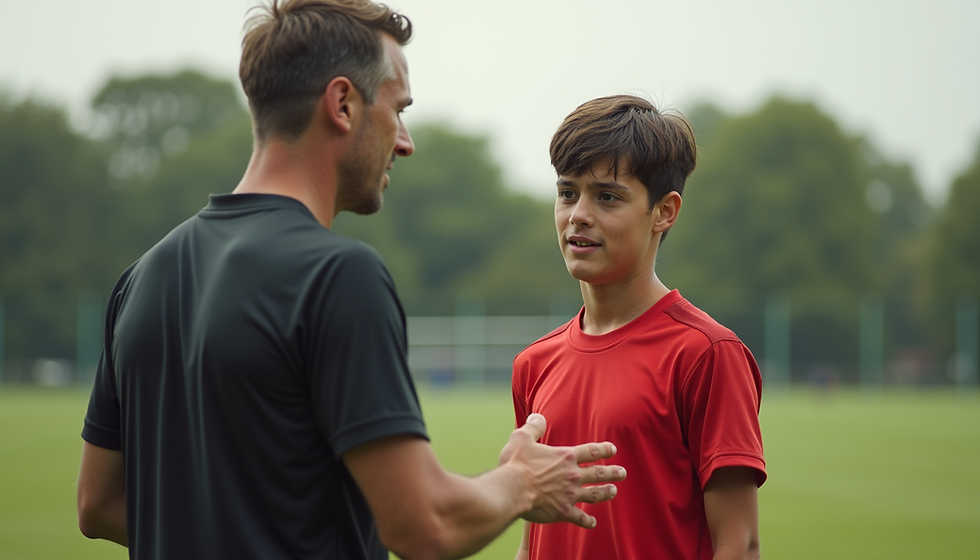
Did you know that 9.4% of children aged 6-17 have been diagnosed with ADHD? For sports coaches, this means nearly one in ten young footballers may require different coaching approaches to reach their full potential.
Coaching young players with ADHD presents unique challenges. The traditional "stand in line and wait your turn" drills often fail these energetic athletes who process instructions differently. However, with the right strategies, these same players can become some of your team's most creative and dynamic performers.
Many coaches actually feel unprepared when working with ADHD players, specifically struggling with managing disruptions during practice, maintaining focus during drills, and communicating effectively with these athletes. Furthermore, without proper techniques, both coach and player experience unnecessary frustration.
ADHD traits like hyperfocus, boundless energy, and thinking outside conventional patterns can become competitive advantages when channeled correctly. Importantly, understanding how to adapt your coaching style doesn't just help players with ADHD—it elevates your entire team's experience.
This guide provides practical strategies for sports coaches to transform potential challenges into coaching opportunities. We'll explore how to understand ADHD in a football context, recognize key challenges, adapt training sessions, implement effective coaching strategies, and build a supportive environment where all players can thrive.
Understanding ADHD in Young Footballers
Attention deficit hyperactivity disorder (ADHD) presents both unique challenges and opportunities for young footballers. Understanding this neurodevelopmental condition is essential for sports coaches who aim to create effective training environments for all players.
What ADHD means in a sports context
ADHD affects an individual's activity and attention control through differences in brain development and brain activity compared to those without the condition [1]. Rather than viewing ADHD merely as a disorder, coaches should recognize it as a different cognitive profile that includes varying levels of attention regulation, hyperactivity, and impulsivity.
In football settings, ADHD can manifest in both challenging and beneficial ways. Some scientific studies suggest that ADHD may be more common in competitive athletes than in the general population, with prevalence rates of 7-8% in adult elite athletes compared to 0.8-2.4% in the general adult population [2]. This suggests certain ADHD traits may actually draw individuals to sports and help them excel.
The sporting environment offers significant benefits for players with ADHD. Physical activity increases dopamine and norepinephrine levels—neurotransmitters often deficient in those with ADHD [2]. Additionally, sports provide motivation, stimulation, reward, structure, and social interaction—all attributes that positively influence ADHD symptoms.
Common traits seen on the pitch
On the football pitch, players with ADHD might display several characteristic behaviors:
Impulsiveness: Acting without thinking, appearing to ignore rules, difficulty waiting turns, and interrupting others [1]
Hyperactivity: Needing to move constantly, fidgeting, difficulty engaging in quiet activities [1]
Inattentiveness: Short attention span, easy distractibility, appearing to ignore direct instructions [1]
Emotional regulation challenges: Experiencing intense emotional responses, particularly to rejection or perceived unfairness [1] [3]
Notably, many of these traits can function as strengths in certain football situations. The Professional Footballers' Association (PFA) has found that about 5% of professional players have been diagnosed with neurodivergent conditions, including ADHD [2]. Players with ADHD often possess abilities like hyper-focusing under pressure, boundless energy, fast reaction times, spontaneity, and creative problem-solving approaches [1].
Essentially, the same traits that might cause difficulties in classroom settings can become advantages on the pitch. For instance, the natural impulsivity of players with ADHD may benefit positions requiring quick decision-making, while their high energy levels can translate to exceptional stamina during matches.
Why every child with ADHD is different
Despite sharing a diagnosis, no two young footballers with ADHD will present identically [1]. The condition exists on a spectrum ranging from predominantly hyperactive/impulsive to predominantly inattentive, with many variations between these poles [2].
This variability extends to how ADHD manifests in sporting environments. Some players might excel in the physical aspects of football but struggle with understanding theoretical play patterns [4]. Others might demonstrate extraordinary focus during matches yet have difficulty retaining instructions between sessions.
Furthermore, not all players with ADHD will have received a formal diagnosis [1]. As a result, coaches should be prepared to support any player showing active, impulsive, or distractible tendencies without making assumptions about their neurodevelopmental status.
Understanding these individual differences is crucial for sports coaches. Getting to know each player personally—their motivations, how their condition affects them, and what specific support they might need—creates the foundation for effective coaching strategies that build on strengths while addressing challenges.
Recognizing Key Challenges in Training
Coaching young footballers with ADHD requires recognizing specific challenges that emerge during training sessions. Understanding these obstacles helps sports coaches develop effective strategies to support these players while maximizing their potential on the pitch.
Short attention span and distractibility
Young footballers with ADHD typically struggle with maintaining focus during extended training sessions. This challenge becomes especially apparent during periods of inactivity or when they don't have the ball, making it difficult for them to stay engaged with team activities [5]. Consequently, these players may miss important plays or fail to follow positional instructions.
Long training sessions often lead to significant focus problems, with players' attention drifting away from the task at hand [6]. You might notice a player kicking dandelions in the outfield instead of tracking the ball or jogging with teammates [7]. This distractibility isn't willful disobedience – it stems from neurological differences affecting attention control [8].
Hyperactivity and impulsive behavior
Hyperactivity manifests as a constant need for movement, especially in situations requiring stillness or quiet attention [8]. During team talks or demonstrations, these players may fidget excessively or struggle to remain in position.
Impulsiveness presents another significant challenge. Players with ADHD might:
Go off-plan during training drills
Perform unexpected efforts during endurance sessions
Enter competitions at the last minute
Disregard prescribed training instructions [6]
These behaviors aren't deliberate attempts to undermine coaching authority. Instead, they reflect neurological impulsivity that makes waiting, taking turns, and following sequential instructions particularly challenging [8].
Emotional regulation and frustration
Emotional dysregulation represents one of the most overlooked aspects of ADHD in sports contexts [9]. Approximately 25% to 50% of children with ADHD exhibit varying degrees of anxiety, depression, and emotional dysregulation [10], which significantly impacts their sporting experience.
Players with ADHD often demonstrate low frustration tolerance when progress isn't immediately evident [6]. This manifests through:
Becoming easily frustrated during challenging drills
Experiencing intense emotional responses to perceived failure
Displaying quick mood shifts during practice sessions
Reacting strongly to perceived rejection or unfairness [11]
Young footballers with ADHD typically experience "high highs and low lows" emotionally [6]. Their reactions may seem disproportionate to situations – like yelling at teammates who don't pass the ball or crying after missing a shot [7].
Memory and instruction retention issues
Players with ADHD frequently struggle with retaining and implementing coaching instructions. Even when actively trying, they may not remember details or follow directions completely [2]. This challenge extends to organizational skills and understanding complex tactical concepts.
Memory difficulties manifest in various ways:
Forgetting positions during set pieces
Struggling to follow multi-step tactical instructions
Appearing to ignore direct instructions [8]
Difficulty implementing coaching points between sessions
These challenges relate to executive functioning difficulties common in ADHD, affecting how memory is used in decision-making and problem-solving [11].
Understanding these four key challenge areas helps sports coaches recognize when ADHD is affecting a player's performance. Obviously, awareness is the first step toward implementing effective accommodations and strategies that allow these players to thrive despite these obstacles.
Using the STEP Framework to Adapt Sessions
The STEP framework provides sports coaches with a structured approach to adapting football sessions for young players with ADHD. Originally developed by the Youth Sports Trust, this versatile tool helps create inclusive environments where all players can thrive [12]. By modifying Space, Task, Equipment, and Players, coaches can address the specific needs of footballers with ADHD while enhancing the experience for the entire team.
Space: Keep the environment familiar
Creating consistency in training environments helps players with ADHD feel secure and reduces distractions. First, arrive early to set up your pitch so sessions can begin promptly [1]. Use existing pitch markings whenever possible rather than creating elaborate cone patterns that may confuse or overwhelm players [11]. Moreover, keep the playing area clear of unnecessary distractions that might pull attention away from the session [1].
Consider designating a quiet space where players can take short breaks if they become overwhelmed or need to regulate their emotions [1]. This "reset zone" gives players with ADHD an opportunity to self-regulate before rejoining the activity.
Task: Vary drills to reduce boredom
Players with ADHD can become disengaged rapidly when activities feel repetitive. Accordingly, regularly change up games and drills to maintain interest throughout the session [8]. Nevertheless, maintain a similar overall session structure each week to provide the predictability that helps players with ADHD thrive [1].
Be clear about expectations for each activity and break down complex instructions into smaller, digestible pieces [1]. If planning to ask questions during the session, consider sharing them in advance so players have time to process and prepare responses.
Equipment: Use visuals and sensory tools
Visual supports can significantly enhance understanding for players with ADHD. A whiteboard displaying the session structure and current activity helps players track progress and know what's coming next [11]. This approach, known as a "visual schedule" in educational settings, helps players understand which activity is happening now and what follows [13].
Subsequently, consider providing appropriate sensory tools in a designated safe space. Items like fidget spinners can help players regulate their emotions, especially when they become frustrated or overstimulated [11]. These tools give players with ADHD appropriate outlets for their need to move.
Players: Use small-sided games for engagement
Small-sided games (2v2, 3v3, or 4v4) are particularly effective for players with ADHD as they maximize ball touches and movement while minimizing waiting time [11]. This format naturally addresses the "three Ls" that often disengage players with ADHD: lines, laps, and lectures [13].
Remember that the STEP framework isn't a rigid checklist but a tool to help you coach effectively. Getting to know your players individually remains essential for understanding which modifications will be most beneficial [11]. Through thoughtful application of these principles, sports coaches can create training environments where young footballers with ADHD can develop their skills and enjoy the beautiful game.
Top Coaching Strategies for ADHD Players
Effective coaching of young footballers with ADHD requires specific strategies that capitalize on their strengths while supporting their challenges. Implementing these practical approaches can transform training sessions and help these players thrive on the pitch.
Start sessions with physical activity
Creating dedicated arrival activities gets players engaged immediately and channels excess energy productively. Physical activity naturally increases dopamine and norepinephrine production, chemicals that help improve attention and ease hyperactivity symptoms [14]. Initially, consider establishing a specific area for these arrival activities to ensure players become active as soon as they arrive [8]. This approach not only benefits players with ADHD but sets a positive, energetic tone for the entire team.
Give one instruction at a time
Most children with ADHD can focus effectively on just one task at a time [15]. Breaking complex instructions into smaller, manageable parts prevents overwhelming players. Whenever possible, demonstrate skills first, then explain verbally, then demonstrate again—following the "show, tell, show again" principle [15]. To confirm understanding, ask players to repeat instructions back to you [2]. This simple verification technique ensures players have processed the information correctly before moving forward.
Use visual aids and repeat key points
Visual supports significantly enhance comprehension for players with ADHD. Using a whiteboard to display the session structure creates what educators call a "visual schedule," helping players track current and upcoming activities [15]. Furthermore, utilizing hand signals or verbal code words provides discreet ways to redirect players who may have lost focus [4]. These visual cues reduce the need for repeated verbal corrections that might embarrass players in front of teammates.
Allow movement and fidgeting
Recognizing that many players with ADHD need to move to process information effectively is crucial [16]. Encouraging controlled movements like quick leg movements or finger snapping can actually enhance focus [4]. In certain situations, providing sensory tools like fidget spinners in a designated safe space helps players regulate emotions when overwhelmed [8]. Remember that fidgeting doesn't indicate lack of attention—often it's exactly what helps these players stay engaged.
Provide immediate feedback and praise
Players with ADHD typically receive abundant correction but minimal positive reinforcement in many aspects of life. Offering individualized attention and encouragement produces remarkable responses [8]. When improvement is needed, first acknowledge what the player did well before suggesting adjustments [2]. This balanced approach builds confidence while supporting growth. For maximum impact, provide positive feedback publicly while delivering constructive criticism privately [2].
Building a Supportive Coaching Environment
Creating a successful coaching environment extends beyond individual training strategies for young footballers with ADHD. First of all, developing a supportive framework around these players amplifies their potential both on and off the pitch.
Collaborate with parents and carers
Check with parents about what strategies work best for their child and what activities they particularly enjoy [8]. Understanding the player's specific needs through parental insight provides valuable context for your coaching approach. Lucy Bronze, who has neurodiversity herself, emphasizes: "Talking to the people around you to help them understand you and you to understand them requires patience, on both sides of the conversation" [17]. Regular communication with families helps identify effective motivation techniques unique to each player.
Set routines and expectations
Establish consistent practice schedules and familiar warm-up routines that provide stability for players with ADHD. Structured environments with predictable patterns reduce anxiety and create a sense of security [18]. Certainly, providing information in advance—with visuals when needed—helps players understand what's expected and lessens anxiety [19].
Encourage peer support and inclusion
Focus on building a team culture that values inclusivity, respect, and acceptance of differences [1]. Educate teammates about neurodiversity to promote empathy and understanding. Ultimately, this creates an environment where, as neurodivergent footballer Safia Middleton-Patel notes: "They want to understand me more than anyone else" [3].
Celebrate small wins and progress
Recognize small improvements consistently. Address any issues privately—never call players out in front of the group as this can trigger rejection sensitivity [19]. Primarily, emphasize positives and teach players to identify their own successes through self-reflection.
Conclusion
Coaching young footballers with ADHD undoubtedly presents unique challenges, yet these same players often possess exceptional qualities that can elevate team performance. Throughout this guide, we've explored how traits typically seen as obstacles—hyperfocus, boundless energy, and unconventional thinking—can transform into remarkable strengths on the football pitch.
Understanding the neurological differences in players with ADHD allows coaches to adapt their methods effectively. The STEP framework offers practical adjustments to space, tasks, equipment, and player arrangements that benefit everyone on your squad. Additionally, strategies like starting with physical activity, delivering concise instructions, and utilizing visual supports create an environment where all players can succeed.
Most importantly, remember that your approach makes all the difference. Players with ADHD typically receive abundant correction but minimal positive reinforcement elsewhere in their lives. Therefore, your encouraging words and immediate feedback might impact these young athletes far beyond the football pitch.
The journey toward effective coaching for players with ADHD requires patience and flexibility. Still, the rewards—watching these unique athletes develop their skills and confidence—make every adaptation worthwhile. After all, football should be accessible to everyone, regardless of how their brain processes information or manages attention.
By implementing these strategies consistently, you'll not only help your ADHD players thrive but also enhance your entire coaching approach. Your team will benefit from clearer communication, varied training sessions, and a more inclusive atmosphere. Essentially, what works well for players with ADHD often works better for everyone.
Take the first step today by observing your players closely, trying one new strategy at your next practice, and celebrating the small victories along the way. Your commitment to understanding and supporting young footballers with ADHD might just develop your next team superstar.
References
[1] - https://learn.englandfootball.com/articles-and-resources/coaching/resources/2024/How-to-create-a-neuroinclusive-environment[2] - https://unitedsoccercoaches.org/excelling-with-a-player-that-has-adhd-they-will-make-you-proud-as-a-coach-disabilities-allies-blog-post/[3] - https://beyondthe-pitch.com/from-the-stands-to-the-pitch-celebrating-neurodivergent-voices-in-football/[4] - https://chadd.org/adhd-news/adhd-news-caregivers/attention-coaching-kids-with-adhd-in-sports/[5] - https://chadd.org/attention-article/coaching-kids-with-adhd-in-sports/[6] - https://www.trainingpeaks.com/coach-blog/how-coach-athletes-with-adhd/[7] - https://www.nationwidechildrens.org/family-resources-education/700childrens/2019/08/adhd-and-sports[8] - https://learn.englandfootball.com/articles-and-resources/coaching/resources/2024/How-to-support-players-with-ADHD[9] - https://www.linkedin.com/pulse/supporting-adhd-athletes-strategies-sports-coaches-working-coldrey-rovfe[10] - https://pmc.ncbi.nlm.nih.gov/articles/PMC11747210/[11] - https://www.thefa.com/-/media/cfa/hampshirefa/2024/safeguarding/the-fa---adhd---support-card.ashx[12] - https://learn.englandfootball.com/articles/resources/2022/make-coaching-personal-with-the-step-framework[13] - https://www.rugbycoachweekly.net/rugby-coaching/5-tips-for-working-with-young-players-with-adhd-rcw?srsltid=AfmBOoozzy0PtObSAFDuq-_s6ccZGnVSNu8mNUV0cLipL7Jsopy0cvhe[14] - https://www.adhdcentre.co.uk/adhd-game-plan-the-best-sports-for-kids-with-adhd/[15] - https://www.soccercoachweekly.net/coaching-advice/5-tips-for-working-with-young-players-with-adhd[16] - https://www.moodcafe.co.uk/media/ofnlyedn/a-coach-s-guide-to-adhd.pdf[17] - https://www.uefa.com/womenseuro/news/029b-1e520f9f2e52-5198bfdda1c2-1000--lucy-bronze-my-neurodiversity-helps-me-play-at-the-highest-/[18] - https://www.danmickle.com/neurodivergent-players-collaboration-between-coaches-and-parents/[19] - https://vault.thefmha.com/techniques-for-coaching-children-and-young-people-with-adhd/


