


Snooker Psychology Tips That Champions Use to Win Under Pressure

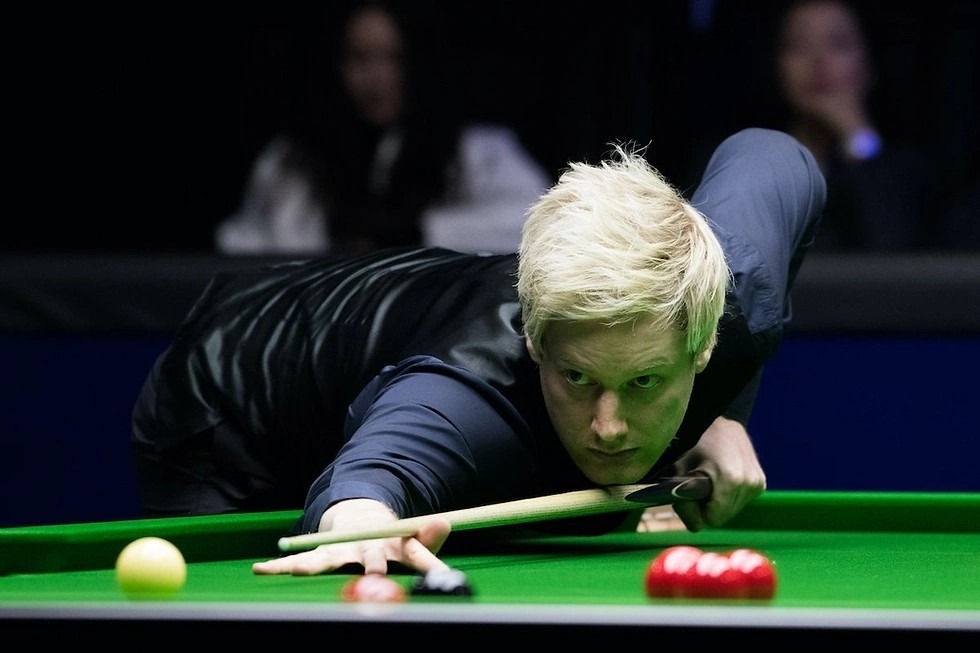
Every shot at the snooker table involves a rapid-fire series of cognitive tasks; players must anticipate three or four moves ahead[1], weighing probability, position, and risk in the span of seconds. Yet the mental demands of snooker extend well beyond tactical foresight. Snooker psychology is, at its core, about maintaining the balance between analytical thinking and emotional composure[2] — two forces that pull in opposite directions precisely when the pressure is at its most unforgiving.
Champions understand that winning at snooker is not primarily a question of technical superiority. Plenty of players possess exquisite cue action and deep tactical knowledge. What separates those who perform when it matters from those who falter is the capacity to manage one's mind under conditions of real competitive stress. This, perhaps, is what makes snooker such a fascinating sport to study through a psychological lens.
So where should we begin? We shall explore the core mental skills champions deploy in high-pressure moments, how to integrate snooker practice with deliberate psychological training, and practical strategies for handling specific competitive scenarios. These are the considerations that separate good players from great ones — not on the practice table, but when the match is on the line and the mind must hold firm.
Why Snooker Psychology Matters More Than Technique Under Pressure
The difference between practice table and match play
The numbers are worth pausing on. Research suggests match performance drops to approximately 50% of practice performance[3], and professional players mentally disengage during roughly 20% of their playing time[3]. These are not minor fluctuations; they expose a fundamental truth about competitive snooker that technical mastery alone cannot address.
The practice table is a forgiving environment. You set the pace, select your positions, and face no external pressure worth speaking of. Match play is an altogether different proposition. An opponent disrupts your rhythm, forces tactical exchanges you did not anticipate, and introduces an emotional volatility that the practice table never demands. This gap between the two environments explains, at least in part, why a player capable of knocking in centuries during practice can struggle to compile a 30-break when it matters.
When the nervous system shifts into threat mode, biology takes over. A tight grip, shortened breath, loss of touch, poor shot commitment, and hesitant decision-making follow[4]. This is not a skills deficit; it is a mental one. Mental control directly affects performance in snooker, where even a small shift in mind-state changes everything[4]. Recognising this distinction is the starting point for addressing it.
How champions handle the mental challenge
Elite players demonstrate distinct approaches to managing this mental challenge, and their examples are instructive. Ronnie O'Sullivan speaks openly about freeing his mind and playing instinctively — mental clarity, for him, fuels creativity rather than constraining it[5]. Stephen Hendry built his dominance on ruthless focus and an unwavering belief in his own ability[5]. Mark Selby exemplifies something rather different: resilience, grinding through long tactical battles without surrendering composure[5].
What these champions share is not the absence of pressure. They have simply trained their minds to function despite it. Mental toughness, in this sense, delivers several practical benefits: it sustains consistency by avoiding wild performance swings, maintains composure in deciding frames, enables recovery after missed pots, and builds confidence precisely when the stakes are highest[5]. The psychological preparation, in other words, underpins everything else.
What separates good players from great ones
Mental toughness represents the invisible edge separating different skill tiers[5]. Snooker is, after all, unusual among sports. There is no physical outlet for frustration, no sprint or tackle to release tension. The game demands deliberate, slow, and exposed execution, where a lapse in concentration costs not just one point but sometimes an entire match[6].
Consider John Higgins and Mark Selby. Neither is known primarily for prolific break-building in the way O'Sullivan might be. Their reputations rest on something harder to quantify — knowing precisely when to attack and when to place an opponent against the ropes with containment play [12, 13]. Their temperaments, as much as their technique, define their success.
The most consistent players also understand something important about their own limitations. Acknowledging that you will not operate at 100% for portions of your playing time — that there will always be a mental tax — removes some of the pressure feeding the performance roller coaster[3]. Players who control their thoughts and emotions better than their opponents recover quicker, focus longer, and produce their best when the match demands it most.
Five Core Mental Skills Champions Use in High-Pressure Moments
Five mental skills separate champions from competitors who fold under scrutiny. These skills are not innate gifts; they are learned capacities that require deliberate practice and consistent application before they show up reliably under pressure.
1. Pre-shot routine consistency
The pre-shot routine functions as a mental anchor[7]; it narrows attention, blocks out distractions, and creates a reliable bridge between decision and execution[7]. Champions perform identical routines whether facing a straightforward red or a demanding long pot under the weight of a deciding frame[8]. The value of this consistency lies not in superstition but in function — the routine handles three distinct jobs: planning the shot, composing yourself, and settling onto the line of aim[9].
During high-pressure moments, the routine controls pace rather than allowing the scoreboard to dictate tempo[8]. One controlled breath, taken deliberately while standing behind the line, is often sufficient to reduce urgency without layering complicated instructions onto an already taxed mind[8]. Practically, it means that when everything around you feels uncertain, the routine becomes the one thing entirely within your control.
2. Controlling breathing and body tension
Shallow, rapid breathing signals threat to the nervous system[10]; the body responds with tightened grip, raised shoulders, and restricted movement — none of which support smooth cue delivery. Deep, controlled breathing communicates calm and underpins (a) fluid cue action, (b) clear mental visualisation, and (c) emotional steadiness through long frames[10]. Holding the breath during the stance, a habit many players are unaware of, creates the very muscle tension that disrupts the shot[10].
Exhaling gently as the cue delivers naturally slows tempo and promotes a fluid follow-through [24, 25]. Box breathing — inhale for four counts, hold, exhale, hold — calms the nervous system ahead of high-pressure situations and, with practice, improves concentration across sustained periods of play[11].
3. Staying in the present shot
Perhaps the most frequently discussed yet least consistently practised mental skill is present-moment focus[12]. Mindfulness, in this context, means being fully engaged with the shot in front of you rather than the frame score, the match outcome, or the mistake that came before[12]. Distracting thoughts will arrive — that is simply the nature of a cognitively demanding sport. The skill lies in acknowledging them without judgement and redirecting attention, quietly and without drama, back to the task[12].
Dwelling on a previous miss or projecting forward to the consequences of a future one destroys concentration[13]. Each shot carries its own weight; treating it as such, rather than as a referendum on the entire match, is what allows consistent execution under pressure[14].
4. Managing negative self-talk
Negative self-talk is a learned habit — and learned habits can be retrained[15]. Research demonstrates that it sharply reduces self-confidence before and during competition, leaving players tentative where they should be committed[15]. Catching a negative thought the moment it surfaces, before it spirals into a pattern, is the first and most critical step[15].
Reframing does not mean pretending circumstances are better than they are. Rather, it means replacing catastrophising with forward-looking statements that acknowledge the situation honestly — "that was a difficult miss; here is the next decision" — and returning focus to process[15]. Three to four practised cue words that feel genuine to you are far more effective than borrowed phrases that do not resonate[15]. After approximately four weeks of consistent application, most players notice measurable shifts in anxiety, confidence, and competitive consistency[15].
5. Visualisation before critical pots
Visualisation works not by guaranteeing outcomes but by preparing the mind and body to execute what has already been mentally rehearsed[16]. Before a critical pot, picture the shot path, the alignment, the contact point, and the cue ball's travel — run the entire sequence through with clarity[12]. Positive imagery of this kind strengthens confidence and reinforces the mental patterns associated with successful execution[12].
Equally important, imagine the full process: approaching the table, settling into your stance, taking your practice strokes, and then delivering the shot [41, 42]. The mind rehearses what the body then follows. Used consistently alongside physical practice, visualisation narrows the gap between what you can do at the practice table and what you actually produce when the pressure is real.
How to Practice Snooker Psychology Skills Effectively
Creating pressure situations in practice
Psychological skills, much like technical ones, require the right conditions to develop. Simulating competitive environments during practice — setting strict time limits for specific shots, playing against skilled opponents, or inviting observers to watch — creates the kind of tension that builds genuine tolerance for pressure. These scenarios are not designed to feel comfortable; they are designed to feel familiar when they eventually arrive in competition. Gradually increasing intensity from casual games to tournament-style formats means the nervous system begins to recognise match conditions as manageable rather than threatening.
The 20% rule: embracing poor performance days
One of the more honest frameworks for psychological development in snooker is this: earmark 20% of all playing time as absolutely terrible[17]. Expect misery, an inability to self-correct, missing easy balls, and the disconcerting sensation of feeling like you are using someone else's arms. This is not pessimism; it is preparation. When performance deteriorates, that playing time becomes an opportunity to practise mental skills rather than technical ones.
Practically, it means applying your process regardless of what is happening on the table. The pre-shot routine, cueing method, and post-shot routine — where you stay down until the object ball reaches the pocket or cushion[17] — all remain non-negotiable. Commit to staying down longer precisely when you play a poor shot, not because it changes the outcome but because the habit of process must hold under the weight of poor results. If the routine only survives on good days, it offers no real psychological support when it is most needed.
Building your process when things go wrong
Poor performance days, for all their frustration, offer something genuinely valuable: the chance to practise self-diagnosis and self-correction skills[17]. The expectations here should be realistic. Diagnosing correctly 25% of the time, guessing 25%, and having no clear sense of the cause for the remaining 50%[17] — that frequency, if achieved honestly, reflects a good standard of self-awareness. We often overestimate how much we understand about our own misses in the moment.
Keep self-diagnosis simple. Misses can only arise from cueing or aiming[18]; reducing the number of possible causes makes the correction process far more manageable. We like to think of it as narrowing the workshop bench — fewer tools on the table means clearer thinking about which one is needed.
Self-diagnosis techniques during matches
A performance journal serves as a reliable companion across practice sessions and matches alike. Noting what went well and what needs attention after each session[19] helps track patterns that are otherwise invisible in the moment. Progress in snooker psychology is rarely dramatic; it is incremental, and the journal provides the record that makes that progress visible. Focus the analysis on whether misses stemmed from cueing or aiming, keeping the reflection as specific and simple as the diagnosis itself.
Champion Strategies for Specific Pressure Scenarios
Psychological skills, no matter how well rehearsed, must eventually meet the specific and often unpredictable conditions of competitive snooker. General mental preparation forms a foundation; what builds upon it are the particular responses each scenario demands. The scenarios below are not theoretical — they appear regularly in competitive play, and each one calls for a distinct approach.
Playing against slower opponents without losing rhythm
Recognise early that you are operating in a different pacing environment[20]. The natural impulse is to speed up, to force the tempo, to wrestle back the rhythm that slow play has disturbed. Contrarily, maintaining your normal shot selection without becoming more aggressive serves you far better[21]. Developing a personal between-shot routine — whether that involves controlled breathing, visualising your next shot, or quietly studying the table layout — keeps you mentally engaged during long pauses[20].
Accept that a proportion of matches, perhaps 5%, will feel unbearably slow[21]. This is not failure; it is the condition. Using that downtime constructively, by analysing positions and anticipating opponent choices, preserves mental sharpness[20]; physical relaxation, meanwhile, prevents tension from accumulating between visits to the table[20].
Winning deciding frames when stakes are high
There is a useful piece of evidence here worth holding onto. Players who come from behind win deciding frames 57% of the time[22], and top performers in those moments tend to average nine years older than their counterparts[22] — suggesting that accumulated experience carries real weight. What experience appears to cultivate is the capacity to stay in the present shot rather than drifting toward the consequences of losing[1]. The score exists; the next ball matters more.
Handling unfavourable conditions and bad tables
Adapting to conditions represents a skill in its own right[23]. Pocket size, cloth speed, cushion response, and table level all vary across venues and events[23], and importing expectations from a well-maintained table onto a difficult surface creates unnecessary frustration. Professionals adjust quickly, even when scoring suffers on suboptimal conditions[23][24]. The practitioner working with a snooker player in this context might frame it simply: the table is the same for both players; the difference lies in who adapts first.
Converting practice form into tournament performance
Practice room fluency has a tendency to fade in tournament conditions[1]. The reasons vary — unpredictable tables, poor lighting, unfamiliar atmospheres — but the underlying issue is consistent[1]. Routines rehearsed in practice must be robust enough to transfer under pressure. Competition readiness, then, is not merely about physical preparation; it is about ensuring that the processes practised at home are the same ones deployed when it counts[4].
Summary on Snooker Psychology Tips
Mental mastery, as we have explored throughout this article, is not a gift reserved for the exceptionally talented; it is a set of skills, built deliberately, practised consistently, and refined through experience. The five psychological skills we have considered — pre-shot routine consistency, breathing control, present-moment focus, managing negative self-talk, and visualization — do not operate in isolation. When we add the parts together, alongside the discipline to embrace poor performance days and the adaptability to meet each competitive scenario with a prepared mind, we have a far greater chance of performing when it genuinely matters.
Understanding these skills intellectually, however, accomplishes little without application. The invitation here is a modest one: integrate one mental skill into your practice this week. Perhaps that means committing fully to your pre-shot routine on every visit to the table, or simply noticing the quality of your breath before a critical pot. Small, consistent steps build the foundation upon which genuine psychological resilience rests.
We are privileged, as players and practitioners of this remarkable sport, to understand that snooker demands not just technical craft but profound self-knowledge. The mental journey towards peak performance is, much like the game itself, one of patience, precision, and quiet courage. Use your snooker psychology tips well because doing what we do, and doing it well, for its own sake, is deeply rewarding.
References
[1] - https://themartineffect.co.uk/the-psychology-of-snooker/[2] - https://snookerhub.co.uk/unlocking-your-potential-understanding-the-psychology-of-snooker/[3] - https://snookerhub.co.uk/beyond-the-break-how-mental-resilience-helps-snooker-players-perform-consistently/[4] - https://theexcelpractice.com/snooker-pool-performance-coaching/[5] - https://www.proedgesnooker.com/blogs/news/mental-toughness-in-snooker-the-hidden-edge-of-champions?srsltid=AU7gw4WEf9CWg227HnbQtWaBS-C7-WUvK4OU4G7CIWOQPm62TrJh8CpL[6] - https://www.proedgesnooker.com/blogs/news/mental-toughness-in-snooker-the-hidden-edge-of-champions?srsltid=AU7gw4XNi_DXcEQMeeDE_gLQoh9J2uDD37U-0IGtMryS4Irvw3PHWZwZ[7] - https://bizubilliards.com/pages/the-role-of-pre-shot-routine-in-improving-consistency?srsltid=AU7gw4V2ZfdVSuZLqbdnEIeAIGmz6DgwZMGjFR8AQWLC8b4C5FmZkV1U[8] - https://www.snooker.online/zh/best-snooker-pre-shot-routines/[9] - https://snookerzone.co.uk/why-is-a-pre-shot-routine-so-important-in-snooker/[10] - https://bizubilliards.com/pages/the-hidden-role-of-breathing-in-cue-sports-precision?srsltid=AU7gw4Vzb_wUqJ5LV_2DtqOlZLOSmky6jaL6EhpiVTbjbxIfJJFFgJ7n[11] - https://www.bbc.com/future/article/20260513-how-5-minutes-of-breathwork-can-lower-your-stress[12] - https://www.cueballchronicles.com/post/snooker-mental-tips-how-mental-toughness-affects-performance?srsltid=AU7gw4XjPLBtKYJ4t_LlQIGo1I904leBy7EAPyEiWODlw9s3t_Q9s-VO[13] - https://snookerhub.co.uk/the-mental-game-of-snooker-strategies-for-improving-focus-and-concentration-on-the-table/[14] - https://www.cueandcase.co.uk/blogs/blog/is-snooker-a-mental-game[15] - https://www.peaksports.com/how-do-i-stop-negative-self-talk/[16] - https://snookeralley.com/blogs/blog/how-to-improve-your-potting-accuracy-in-snooker-essential-tips-training-guide?srsltid=AU7gw4VjrpGIlpPjR6a2yNPvPyzwkm_9otknKWJSZXk3hVzN2kN87JZW[17] - https://www.thesnookergym.com/blog/the-mental-snooker-tax-and-how-to-be-a-happy-snooker-player[18] - https://www.thesnookergym.com/blog/i-am-practicing-a-lot-in-snooker-but-not-improving[19] - https://www.mattandrewsmentoring.org/post/mastering-mental-resilience-for-snooker-success-mental-focus-for-snooker[20] - https://bizubilliards.com/ja/pages/nbsp-playing-against-slower-opponents-how-to-stay-in-rhythm?srsltid=AU7gw4Uia92lCNMh2A0wgiRTXjPc3dcvaGdA-cbKCP4DCaeTzn_TFP2j[21] - https://www.thesnookergym.com/blog/how-to-deal-with-playing-a-very-slow-and-negative-snooker-player[22] - http://thegameisafoot.weebly.com/sport-articles/deciding-frames[23] - https://www.thesnookergym.com/blog/to-play-on-bad-tables-or-not-to-play-that-is-the-question[24] - https://www.snookershorts.com/shorts/would-a-professional-play-well-on-any-table


