


Athlete Mental Health: The Hidden Cost of Long Professional Careers
- Dr Paul McCarthy

- 2 days ago
- 24 min read
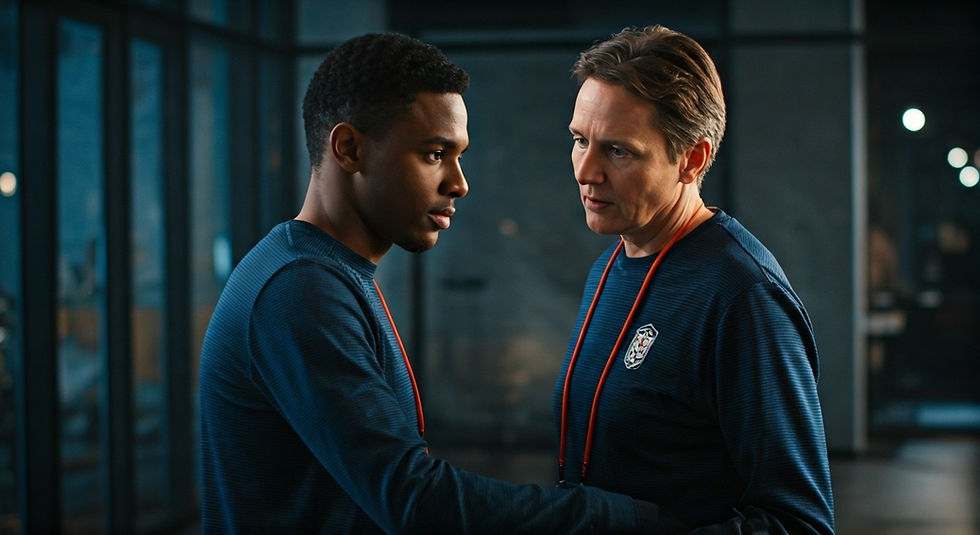
Professional sport celebrates physical endurance above all else. Athletes who compete into their late 30s and early 40s earn admiration, their longevity treated as testament to dedication and extraordinary resilience. Yet this celebration masks a quieter, less visible cost – one that physical conditioning alone cannot account for. Nearly half of elite athletes experience symptoms of mental health problems[1], and mental health disorders have increased significantly over the past decade[2]. Athletes face disproportionately higher rates of depression and anxiety[3] than the general population, yet the psychological weight of prolonged careers remains, for the most part, overlooked.
So where does this leave us as practitioners, researchers, and those who care about athlete wellbeing? The gap between what we know and what sporting organisations actually do about mental health is troubling. What concerns us here is not simply that athletes struggle – that much, the research confirms – but rather that extended careers create cumulative psychological burdens that accumulate silently, rarely addressed until crisis arrives.
This article examines how extended athletic careers affect mental wellbeing across career stages; the burden carried by athletes whose entire identity becomes anchored to sport; the psychological consequences of injury and physical decline; and critically, the widening gap between physical care and mental health support. Each of these threads connects to the others, and together they tell a story about a population we celebrate publicly yet support inadequately.
The Reality of Extended Athletic Careers
Physical longevity vs mental wellbeing
Physical fitness and mental health do not travel the same road in elite sport. While physical activity benefits mental health in general populations, intense training at elite levels may compromise mental wellbeing through overtraining, injury, and burnout[1]. This contradiction reveals something important about how we understand athlete health – or, more accurately, how incompletely we understand it.
Peak competitive years for elite athletes overlap with the peak age for onset of mental disorders[1]. The timing is not coincidental. During these critical years, athletes face workplace stressors that most professions rarely demand simultaneously: constant public scrutiny through mainstream and social media, limited support networks often fractured by relocation, and the ever-present threat of career-ending injuries[1]. Competitive pressures accumulate precisely when athletes are most vulnerable.
Research shows that chronic stress triggers allostatic overload, a multisystem dysfunction affecting the hypothalamus-pituitary-adrenal axis, immune system, and cardiovascular systems[4]. Short-term stress produces adaptive responses; chronic exposure, however, increases disease risk and mental health complications. Burnout develops when athletes appraise situations where demands outweigh their available resources[4] – a threshold that extended careers push athletes toward repeatedly.
Why longer careers don't always mean better outcomes
The research here is frank. Up to 35% of elite athletes suffer from a mental health crisis manifesting as stress, eating disorders, burnout, or depression and anxiety[5]. Gender disparities prove stark: 74% of male athletes rate their mental health as good or excellent, compared to only 58% of females[6]. Female athletes experience performance-related anxieties more acutely, creating additional barriers that compound across prolonged careers.
Athletes who experience injury, approach retirement, or face performance difficulties encounter greater risk of mental health disorders[1]. Career transitions, in particular, serve as critical periods for mental health deterioration. When athletes cannot mobilise sufficient resources to overcome barriers during these transitions, they enter crisis transitions characterised by mental health problems[2]. Stronger athletic identity, adverse life events, and career dissatisfaction often link to poorer outcomes[2] – a cluster of vulnerabilities that intensifies rather than diminishes as careers extend.
Burnout, too, carries implications beyond immediate psychological distress. Studies outside sport show burnout associates with depression, reduced quality of life, and physical health issues including musculoskeletal pain[4]. Athletes operating in high-pressure environments face a particular brand of perfectionism that drives achievement while leaving them perpetually dissatisfied, irrespective of performance outcomes[6].
The pressure to perform beyond natural limits
Athletes operate within a culture of risk where overstepping limits repeatedly causes continuous stress, resulting in physical and mental overload[7]. Neglecting, ignoring, or trivialising states of overload defines this culture[7]. Practically, it means that the environment in which athletes train and compete actively discourages honest reporting of struggle; admitting difficulty becomes synonymous with admitting inadequacy.
Psychological stress raises cortisol levels, and long-term elevation weakens immune systems, making athletes more susceptible to injury and illness[8]. Stressed athletes tire more easily and face compounding health issues – a physiological reality that the culture of toughness obscures rather than addresses[6].
Stigma sits at the centre of this problem. The disclosure of mental health problems often equates to weakness, induced by fear of exclusion from teams, competitions, or losing one's athletic identity[7]. Athletes hesitate to seek support due to a lack of understanding about mental health's influence on performance and a perception that help-seeking signals weakness[1]. The typical concept of health in elite sport focuses primarily on biomedical and functional aspects, treating health issues medically – in the sense of repairing damage – rather than attending to the whole person[7].
Correspondingly, athletes prefer seeking support from informal networks (e.g., coaches, trainers, teammates) rather than formal mental health professionals[3]. However, these individuals often lack formal training or clear processes for addressing mental health concerns, leaving athletes without adequate psychological support during the very periods – extended careers, transitions, decline – when that support matters most[3].
Mental Health Challenges Across Career Stages
Athletic careers progress through distinct phases, each carrying its own psychological weight. The mental health burden does not remain static; it shifts as athletes age, and different stressors come to dominate at different points along the competitive journey. Understanding where athletes are in this developmental arc matters, because the kind of support they need at 14 years old differs considerably from what they need at 34.
Early Career: Building Identity Around Sport
Children begin forming their athletic identity between ages 8 and 15[9]. Some specialise as early as 6 years old[9]. The developmental model of transitions identifies four stages: initiation at ages 6-7, development at 12-13, mastery at 18-19, and discontinuation around 28-30[10]. During these early phases, athletic identity becomes deeply embedded in how young athletes understand themselves and their place in the world.
Identity formation during this period follows multiple parallel paths rather than a single trajectory[11]. Motor skill proficiency drives much of this development; children who demonstrate better abilities than their peers develop stronger athletic identities[11], and recognition from parents, coaches, and peers reinforces this identity through social feedback[11]. The process feels natural, even healthy, until it is not.
The difficulty surfaces when athletes commit strongly to the athlete role without exploring other ideological alternatives, a process known as identity foreclosure[10]. Athletes navigating development and mastery transitions can experience genuine difficulty managing academic and athletic responsibilities simultaneously[10]. Some develop burnout relating to perceived stressors from sport and other life demands[10]. Practically speaking, these difficulties lead to identity and role conflict, precluding athletes from developing balanced personal identities during the very periods when such exploration matters most[10].
Specialisation prior to puberty associates with higher injury rates and increased psychological stress[9]. The intense dedication generates legitimate debate about whether this early commitment helps or harms young athletes[9]. Strong athletic identities promote increased participation, but athletes who exhibit elevated commitment to the athlete role may overtrain, increasing overuse injury risk considerably[9].
Peak Years: Managing Expectations and Pressure
Performance anxiety escalates as athletes reach elite levels. Around 77% of athletes reported experiencing performance anxiety, with an average of 18.25 incidents[12]; research similarly shows that 35% of elite athletes face mental health concerns including burnout, depression, and anxiety[12]. These are not trivial numbers.
High expectations create a particular kind of pressure. Athletes with excessively high demands heap excessive pressure upon themselves, believing this will produce personal best performances[13]. The reality proves otherwise. High expectations lead to (a) reduced confidence, (b) anxiety and fear of failure, (c) overthinking and inability to move past mistakes, (d) negative thinking, and ultimately (e) underperformance[13]. The very mindset that drives athletes to elite level becomes the source of their undoing.
Athletes who identify more strongly with their athletic role score higher on depression scales when recovering from injuries[11]. This becomes particularly challenging for teenagers, who struggle to handle threats to their identity more acutely than adults[11]. Moving up to elite levels brings new identity challenges: higher performance demands, unfamiliar team cultures, and complex coach relationships[11]. This transition often leads athletes to commit fully to their athletic role without learning about other possibilities[11], narrowing their sense of self precisely when broadening it would serve them best.
Role conflict emerges as another critical challenge, especially when student-athletes balance multiple identities[11]. Research indicates that having diverse identities and genuine commitment to each protects against role strain[11]; athletes in development and mastery transitions, however, can experience burnout from managing athletic and life demands simultaneously[10].
Late Career: Facing Decline While Staying Competitive
Physical decline introduces stressors of a different character. Athletes must reconcile diminishing abilities with continued competitive expectations, and this reconciliation rarely comes easily. Injuries mark defining moments during this stage; 87.5% of athletes with ACL tears show avoidance symptoms and 83.3% experience intrusion symptoms[11], reflecting psychological trauma that extends well beyond the physical wound.
Chronic pain compounds these mental health struggles. The aging body no longer responds as it once did, forcing athletes to work harder for diminishing returns. Strong athletic identity, which served early career development well, becomes a risk factor during decline[10]. Athletes who built their entire self-concept around performance face profound questions about self-worth as abilities wane[10]. The pressure to extend careers despite natural decline creates unsustainable stress; athletes lose their sense of belonging when injured[10], isolating them precisely when connection and support matter most.
The Retirement Transition
Sports retirement represents a major psychological challenge, and one that many athletes approach without adequate preparation. Feelings of depression and loss, worry about the future, and low life satisfaction are common in retiring athletes[14]; notably, 21.8% of athletes retire from sport early due to injury[15], making the transition sudden and involuntary rather than planned.
Athletes who experience unexpected retirement face particularly difficult passages[14]. Sports careers tend to be short given physical demands[14], yet these athletes have their whole lives ahead and often feel wholly unprepared for them[14]. Competitive athletes typically begin their sport at young ages and develop their identity around it[14]; those with very strong identities tied to sport experience harder retirements as a consequence[14].
Athletic retirement encompasses drastic identity shifts, loss of social networks, lack of career direction, and potential risks to both physical and mental health[16]. Current literature generally links athletic retirement with depression[16], and athletes face higher occurrence of cognitive decline in its aftermath[16]. Barriers to smooth transitions include high athletic identity, high perfectionism, career dissatisfaction, involuntary retirement, despair about future careers, lack of coping strategies, and low social support[16]. When career-ending injuries occur, athletes experience profound loss, identity crisis, and a struggle to find new purpose[15]; the abrupt end creates feelings of emptiness, confusion, and loss of self-esteem[15], with athletes who suffer career-ending injuries facing higher risk of developing depression and anxiety disorders[15].
In summary, the mental health burden across athletic careers is not uniform. Each stage carries its own particular vulnerabilities, and understanding these phases helps us recognise where athletes are most at risk and what kind of support would genuinely serve them.
Athletic Identity and Its Psychological Toll
Athletic identity is, in many ways, both a gift and a burden. Strong identification with the athlete role contributes positively to emotional connection to sport, performance outcomes, commitment to training, enjoyment, and social relationships[17]; yet these same benefits carry deeper psychological risks that accumulate quietly, often invisibly, across extended careers.
When Sport Becomes Your Entire Identity
Athletic identity refers to how strongly an individual identifies with the role of an athlete[18]. The strength of this identification associates with overuse injuries, coping strategies post-injury, and levels of depression following injuries[18]; athletes with stronger athletic identity experience considerably more emotional difficulty after retiring from or ceasing participation in sport[17].
The mechanism behind this struggle centres on identity foreclosure – a concept worth pausing on. Athletes with high athletic identity unilaterally commit to the sport role and become highly susceptible to avoiding exploratory behaviours, neglecting the cultivation of additional interests and social roles outside of sport[17]. Think of it rather like a tree that grows tall in one direction only; impressive, perhaps, but exposed. This foreclosure proves most pronounced in late adolescence and responds directly to changes in sport participation status[17].
What emerges from this foreclosure is a compounding vulnerability. Strong athletic identity worsens the psychological impact of injury, increases competition-related stress and anxiety, and directly influences quality of life[17]. Athletes who identify more strongly with their athletic role score higher on depression scales when recovering from injuries[11]. For athletes under 21 years of age with strong athletic identity, injury-related emotional trauma measurably exceeds that experienced by those with weaker athletic identity[17]. Maintaining the athlete role, in other words, requires neglecting other identities, hobbies, and responsibilities[17]; and when injury or retirement disrupts that role, the psychological distress can be profound[17].
Loss of Self Outside Athletics
The experience of identity loss in retirement is not confined to any particular sport or individual circumstance – athletes across individual and team sports report a deep sense of losing themselves[19]. One athlete described this plainly: "I felt like I was nothing anymore"[19]. Another reflected: "I'm now normal. I'm not who I used to be. I'm not special anymore. I'm nothing. I'm just a regular guy and that was difficult"[19]. These are not isolated expressions of disappointment; they are articulations of genuine psychological loss.
Olympic Gold Medallist Kelly Holmes captured the severity of this experience with striking clarity: "The biggest thing I felt was a loss of identity and purpose, with no idea of what you want to do and who you want to be. That's a really lonely place and I got quite depressed at that time"[19].
This identity crisis affects approximately 20% of former athletes[20]. The struggle involves something more elemental than adjusting to a new routine – it involves trying to locate oneself in the world without the scaffolding that sport provided. As one athlete reflected: "It took about a year to realize why I was struggling and that was my identity, who I am. That was taken away"[19]. Athletes who define themselves exclusively through sport face ongoing difficulties adjusting to retirement, describing it as nothing less than an identity crisis[19].
Social Isolation from Non-Athletic Pursuits
Loneliness emerges as a significant issue affecting athletes at all levels[21]. More than one in two college student-athletes reported feeling "very lonely" in the previous twelve months[22]; similarly, more than 50% of Korean youth athletes who had attempted suicide in the previous year reported feeling lonely "often" or "all of the time"[22]. These are not peripheral statistics – they point to something structural within athletic cultures.
Loneliness stems, in part, from over-conformity to the sport ethic when sport is prioritised over all else – preparation, training, and specialisation consuming what might otherwise be time for broader social and personal development[22]. Athletes who conform to norms of physical and emotional sacrifice demonstrate an aversion to disclosing injuries or emotional difficulties, further isolating themselves from potential sources of support[22].
One athlete captured this total immersion with honesty: "The day only existed for me and my career. It's such a closed bubble. For some people it is their life. The team is the only thing they have"[19]. The shock of losing these relationships compounds the identity loss: "The shock of not being there, it's hard. It just keeps churning and burning. I think the relationships will stay there; they're just not the same"[19].
Athletes with more diverse, less sport-focused social identities and broader social networks prove more successful in managing these identity disruptions[17]; however, many athletes arrive at career transitions without these protective identities, leaving them genuinely vulnerable to isolation precisely when belonging matters most.
The Burden of Injuries and Physical Decline
Injuries accumulate across extended athletic careers; that much is predictable. What receives far less attention is the psychological weight that gathers alongside the physical damage – the mental health consequences of chronic pain, repeated trauma, and the slow erosion of a body that once felt limitless.
Chronic pain and mental health
Understanding chronic pain has moved well beyond a simplistic equation of pain equalling tissue damage[23]. Knowledge about pain has evolved into a multidimensional perspective where tissue overload, nociceptive gain, cognitive, emotional, behavioural, and lifestyle factors interact in complex ways[23]; chronic pain, in other words, cannot be explained solely by anatomical changes[23].
Practically, this means psychosocial factors – including emotional distress, symptoms of anxiety, catastrophic thinking, and pain-related fear – associate with prolonged recovery and lower return to sport rates[23]. Pain catastrophizing emerges as the most significant factor associated with increased pain intensity in injured athletes[23]. Pain catastrophizing occurs when athletes become overly focused on their pain and anticipate the worst possible outcomes[24]; they believe the pain will never improve, or fear that any movement will lead to further injury[24]. This mindset amplifies the pain experience and leads to increased emotional distress[24].
Pain catastrophizing serves as a significant predictor of disability and prolonged recovery[24]. Consequently, athletes with chronic pain often develop fear of movement, believing that physical activity will worsen their condition[24]. This fear leads to avoidance behaviour, which results in muscle deconditioning, decreased mobility, and heightened pain sensitivity[24] – a cycle of fear and avoidance that reduces the athlete's ability to engage in sport or daily life, contributing to long-term disability[24].
Here lies a critical point for anyone working with athlete populations: chronic pain not only impacts physical performance but also takes a heavy emotional toll[24]. Many athletes derive their sense of identity and self-worth from their ability to perform at a high level[24]. Persistent pain threatens this identity, leading to feelings of anxiety, depression, and frustration[24]. The injury is not merely physical; it reaches into how the athlete understands themselves.
Repeated injuries and psychological trauma
Depression following injury relates to worse outcomes, higher pain levels, and increased post-surgical complications[6]. Athletes with higher fear levels face 13 times greater risk of suffering a second ACL tear within two years[6]; injuries trigger depression and identity crises[6] in ways that compound with each recurrence.
Dealing with long-term injuries proves emotionally taxing[25]. Initially, there is surprise, frustration, and a genuine sense of loss[25]. The emotional experience ranges from excitement about returning to competition to frustration over setbacks and fear of being injured again[25]. For athletes managing recurrent injuries, the most formidable challenge is often not the physical rehabilitation but the battle with mental health, exacerbated by inadequate professional support[25]. Stuck in cycles of depression due to consecutive injuries – and feeling a mounting loss of identity – some athletes report suicidal thoughts that extend beyond sport to permeate everyday life[25]. These are not isolated incidents; they are signals of a support gap that the field has not yet adequately addressed.
Managing aging body expectations
Aging athletes move through physical changes including decreased strength, endurance, and speed[26]. Because so much of an athlete's life centres on peak performance, the experience of no longer attaining the results they were accustomed to achieving proves especially difficult[26]. The frustration of underperforming relative to one's own history can lead to a decline in mental wellbeing, further complicating the recovery process[27]; the body's natural trajectory and the athlete's self-concept move in opposite directions, and that tension carries a psychological cost that conditioning programmes alone cannot resolve.
Social and Environmental Pressures
The internal battles athletes face do not occur in isolation. External forces – media scrutiny, financial insecurity, relationship strain, and the absence of adequate organisational support – layer upon the psychological vulnerabilities already described, compounding them in ways that prove difficult to separate or disentangle.
Media Scrutiny and Public Expectations
Every performance unfolds under relentless public examination. Research confirms that 72% of elite athletes report experiencing heightened anxiety when competing under media scrutiny[28]; and this extends well beyond ordinary nervousness. The constant spotlight alters brain function, heightening cognitive load, reducing working memory capacity, and interfering with motor execution during high-stakes moments[28].
Media narratives intensify this burden by framing athletes as heroes, role models, or national symbols[28]. While such elevation of status might appear positive, it creates an externalised sense of self where athletes perform not for themselves but to fulfil a constructed public image[28]. Mistakes, then, are no longer learning opportunities; they become personal or national betrayals[28]. The fear of failure, already present in elite environments, magnifies considerably under these conditions.
Some of the most accomplished athletes in the world have spoken openly about this weight. Tennis star Naomi Osaka withdrew from the 2021 French Open after explaining that media obligations triggered her mental health struggles[29]. Similarly, Simone Biles stepped back at the Tokyo Olympics, describing the pressure of global expectations as overwhelming[29]. These were not isolated incidents, nor signs of personal frailty; rather, they reflect a systemic problem in how sport constructs and consumes its performers[28].
Financial Pressure to Extend Careers
Athlete salaries become public information, creating expectations to maintain certain lifestyles[30]. This transparency breeds a unique form of financial stress. Earnings compress into a handful of competitive years, unlike virtually every other profession[30]; time works against athletes who are undisciplined, unrealistic, or too trusting in those managing their affairs[30].
Financial insecurity affects mental health in ways that are rarely acknowledged openly[31]. Many athletes report that financial difficulties could trigger psychological problems[31]. The pressure proves especially acute for those barely sustaining themselves competitively. National team selections can represent financial losses rather than opportunities[32], and hiring necessary support during competitions costs money athletes may not have[32]. The celebrated career, seen from the outside as lucrative and privileged, often carries economic precarity invisible to spectators.
Family and Relationship Strain
Partners of professional athletes often put their own lives on hold[33]; this sacrifice, though chosen, creates complicated and emotionally charged dynamics. Athletes spend considerably more time training than competing, and the extensive time commitment strains relationships in ways that accumulate gradually[34]. Long hours committed to early mornings, late evenings, and weekend sessions represent significant withdrawal from shared life[34].
Some athletes describe guilt about how their partners sacrifice careers and personal goals to sustain them[32]. Financial priorities create additional friction when one partner invests heavily in sport while the other's interests are consistently overshadowed[34]. When new family situations arrive – children, relocation, ageing parents – the work-family conflict becomes especially prominent[32]; role expectations between parenthood and elite sport collide, producing a role conflict that neither partner fully anticipated[32].
Lack of Adequate Support Systems
Despite the recognised importance of support networks, significant barriers persist in integrating psychosocial care within professional sporting organisations[3]. A key barrier involves the perceived disconnect between focusing on athletic performance and attending to athletes' holistic wellbeing[3]. This disconnect stems from the absence of necessary systems and frameworks to adequately guide staff when athletes do seek help[3]; staff members remain ill-prepared, through no particular fault of their own, to offer meaningful psychological support.
Athletes tend not to seek support for mental health problems due to stigma, lack of understanding about mental health's influence on performance, and perceiving help-seeking as weakness[1]. Some sporting governing bodies continue to minimise the significance of mental health issues in this population[1]; athletes within such organisations lack access to timely or adequate mental health care, or simply do not feel the culture permits raising concerns[1].
Together, these external pressures form a cumulative environment that amplifies every internal vulnerability already described. The athlete navigating media scrutiny, financial insecurity, relationship guilt, and an organisation that neither notices nor responds to psychological distress carries an invisible weight that physical performance metrics will never capture.
Common Mental Health Issues in Long-term Athletes
The psychological consequences of extended athletic careers do not remain abstract; they manifest across a spectrum of clinically recognised conditions. Understanding what these conditions look like, how prevalent they are, and how they connect to the stressors described earlier helps us build a fuller picture of what prolonged competitive stress actually produces.
Depression and Anxiety Disorders
Depression affects approximately 4.4% of the global population, while anxiety conditions affect around 3.6%[35]; yet athletes experience these disorders at markedly higher rates. A survey of Australian athletes revealed depression prevalence of 27.2%, social anxiety at 14.7%, and generalised anxiety disorder at 7.1%[35] – figures that significantly exceed those recorded in the Australian general population. Some athletic cohorts show depression and anxiety prevalence as high as 47.8%[35]; former elite athletes face over twice the population risk, with anxiety and depression prevalence ratios of 2.08 and 2.58 respectively[36]. Former NFL athletes demonstrate the highest prevalence among all sporting populations studied[36].
Gender disparities emerge consistently and warrant particular attention. Female athletes report significantly poorer mental health across all indicators[37]; among dual-career athletes specifically, 22% experience moderate to severe anxiety symptoms and 23% face depression[37]. These numbers carry weight beyond statistics. Worryingly, 15.6% of collegiate athletes report suicide ideation[35], and the association between sleep problems and suicide ideation proves stronger among college athletes than non-athletes[35] – a connection we return to shortly.
Burnout and Emotional Exhaustion
Burnout represents a syndrome of physical and emotional exhaustion, reduced sense of accomplishment, and sport devaluation[38]. Over 10% of athletes experience moderate to severe burnout symptoms at some point during a season[4]; more concerning still, average burnout levels have increased over the past two decades[4]. Life stress correlates significantly with athlete burnout[38], and when athletes face prolonged stress without adequate recovery, burnout develops through recognisable stages: new demands arrive, those demands come to feel excessive, performance becomes hampered, subtle symptoms surface, and finally full burnout impacts life on and off the field[39]. Practically, it means that burnout rarely announces itself dramatically; it accumulates quietly across months and years of unaddressed strain. Research confirms that burnout predicts future increases in depressive symptoms[40], creating a cycle where exhaustion generates depression, which in turn deepens exhaustion.
Substance Use and Coping Mechanisms
Athletes engage in unhealthy coping mechanisms including substance abuse, which often persists and worsens post-retirement[35]. NCAA data illustrates the scale: 71.7% of student-athletes used alcohol, 25.9% used cannabis, and 22.1% used vapes or e-cigarettes[41]. Binge drinking among student-athletes has decreased from 55% in 2009 to 35% in 2023[41], which offers some encouragement; however, the underlying picture remains one of athletes reaching for external means to manage internal distress that sporting cultures rarely acknowledge openly.
Sleep Disturbances and Stress
Sleep disturbances affect 58-70% of elite athletes[42]; during the Olympics alone, 20-34% of elite athletes experienced significant sleep issues[43]. In Australia, 49% of high-level athletes reported insufficient actual hours of sleep[43]. The consequences prove serious: athletes sleeping less than 8.1 hours nightly face 1.7 times higher injury risk[44]; moderate to severe insomnia increases concussion risk threefold[44]; and chronic insomnia links directly to higher rates of depression, anxiety, and burnout[42]. Sleep, in this sense, sits at the intersection of physical and psychological wellbeing – disrupted by the very stressors that extended careers intensify, and in turn worsening the mental health conditions it might otherwise help regulate.
In summary, the conditions examined here – depression, anxiety, burnout, substance misuse, and sleep disturbance – do not exist in isolation from one another. Each connects to the others, and all connect to the career-stage pressures, identity struggles, and environmental demands explored earlier. The cumulative weight is considerable; what remains inadequate, as we shall see, is the response.
The Gap Between Physical Care and Mental Health Support
Physical injuries receive immediate, coordinated attention in professional sport. When an athlete tears a ligament or fractures a bone, entire teams of physiotherapists, surgeons, strength and conditioning coaches, and sports scientists mobilise[45]. The pathway back to competition is mapped, resourced, and monitored. Mental health, by contrast, remains an afterthought in most athletic organisations[45]; the pathway, more often than not, simply does not exist.
Why mental health is overlooked
The physical impacts of elite sport participation have been well documented; however, there is comparatively less research on the mental health and psychological wellbeing of elite athletes[1]. This research gap reflects something broader than academic oversight – it reflects organisational priorities. A perceived disconnect exists between focusing on athletic performance and attending to athletes' holistic wellbeing[3], and this disconnect stems from the absence of necessary systems and frameworks to adequately guide staff when athletes do reach out for help[3]. Staff members find themselves ill-prepared, not through indifference, but because the structures to support them were never built.
Mental health literacy remains low among athletes who often exist in a culture where toughness defines professional identity[46]. Coaches and support staff face a similar problem; without education in mental health symptoms and disorders, they cannot identify the negative, stigmatising commentary that dissuades athletes from seeking help[46]. The consequence is a self-perpetuating cycle: organisations do not invest in frameworks, staff do not develop literacy, athletes do not disclose, and the psychological cost continues to accumulate invisibly.
Limited access to psychological resources
Athletes, as noted earlier in this article, tend to seek support from coaches, trainers, and teammates rather than formal mental health professionals[3]. What becomes clear here is that this preference reflects not simply comfort but necessity – formal psychological resources are frequently absent, inaccessible, or inadequate. Minority athletes face compounding barriers; they often find no available providers who share their background or identity, which further deters help-seeking[46]. Racism and discrimination contribute independently to the inequitable distribution of mental health risk among minority athletes[46], a reality that organised sport has been slow to acknowledge, let alone address.
Stigma in athletic culture
Mental health stigma in sport is not new; what remains troubling is how little has changed[45]. The culture of toughness – where emotional endurance is prized alongside physical resilience – makes admitting psychological struggle feel incompatible with athletic identity[46]. Athletes worry that acknowledging mental health concerns could be read as weakness by coaches, teammates, or supporters. Many carry shame about their struggles, which compounds the reluctance to disclose symptoms or engage with professional support[47].
This, perhaps, is the most critical point: the gap between physical care and mental health support is not simply a resource problem. It is a cultural one. Until sport redefines what it means to be strong – and until organisations build the frameworks that reflect that redefinition – athletes will continue to carry psychological burdens that physical conditioning was never designed to bear.
Protecting Athlete Mental Health in Extended Careers
Knowing the scale of the problem matters little without knowing what to do about it. What becomes clear, across the research and across career stages, is that mental health support cannot be retrofitted at the point of crisis; it must be woven into the fabric of sporting life from the earliest stages of an athlete's journey. Protecting athlete wellbeing requires deliberate, systematic approaches that address mental health proactively rather than reactively.
Early intervention strategies
Early intervention frameworks propose four phases: prevention, identifying at-risk athletes, early intervention for first episodes, and specialist mental health care[48]. Each phase builds upon the previous; prevention without identification is incomplete, and identification without pathways to care leaves athletes stranded. This staged approach can result in improved outcomes compared with treatment as usual responses[48], which so often means waiting until an athlete reaches breaking point before anyone acts.
Mental health screening should be included alongside routine physical health checks[49], not treated as an optional addition but as a standard component of athlete welfare. Critical times to screen include following severe injury and during transitions into and out of sport[49] – precisely the moments, as we have explored, when athletes are most psychologically vulnerable. Key staff within sports systems can be trained as 'navigators' who notice micro changes in athletes over days or weeks and link them to professional care[49]. These navigators occupy an important position; they are present, trusted, and attuned to the rhythms of an athlete's life in ways that external clinicians often are not.
Building identity beyond sport
We have seen how identity foreclosure – anchoring one's entire sense of self to athletic performance – generates profound psychological risk across career stages. The protective response is not complicated in principle, though it requires sustained commitment in practice: athletes need to develop a parallel non-athletic identity, and this must begin well before retirement becomes imminent.
Individually focused development programs assist athletes to identify personal and vocational goals, helping build this parallel identity alongside their sporting one[49]. This focus must occur at all phases of the sporting career, not be confined to the transition out of sport phase[49] – a point worth emphasising, because many organisations treat identity development as a retirement issue rather than a career-long necessity. Athletes who plan for retirement feel better prepared and experience smoother adjustments[19]; those who proactively distanced themselves from sport in the lead up to retirement and branched out to pursue other careers and interests navigated the transition more successfully[19]. The evidence here aligns with what we know about identity: the more varied and secure the self-concept, the more resilient the individual when any single role is threatened.
Developing support networks
Person-centred approaches acknowledge that the individual is the expert on themselves[50] – a foundational principle that sporting organisations would do well to take seriously. Athletes know what they need; the challenge is creating environments where they feel safe enough to say so. Sporting organisations should provide opportunities for athletes to integrate their family or peer network within sport[50], drawing on the relational resources that already surround athletes rather than positioning professional support as the only legitimate form of help.
A skilled peer workforce – including former athletes or coaches who have navigated their own transitions and mental health challenges – can work with current athletes to discuss and normalise experiences of mental health symptoms[49]. This peer dimension matters because it addresses stigma in a way that top-down clinical provision cannot; hearing that someone who has stood in the same position struggled and sought support carries a credibility that no leaflet or campaign can replicate. Psychosocial support proves crucial for fostering resilience and coping mechanisms[3], and its effectiveness depends not only on what is offered but on whether the sporting culture makes it genuinely accessible.
Mental skills training programmes
Psychological skills training addresses stress management, anxiety control, mental toughness, coping, motivation, self-confidence, flow, mindfulness, and emotions[51] – a broad range of competencies that map directly onto the pressures athletes face across their careers. Mental performance training can help athletes avoid or reduce symptoms of burnout through effective self-regulation skills[52]; not by eliminating the demands of elite sport, but by equipping athletes to engage with those demands more sustainably.
Mindfulness programmes reduce anxiety and boost well-being in elite performers[52]; core psychological skills including goal-setting, imagery, and self-talk enhance well-being[52] and reduce competitive anxiety before and during competition[52]. Practically, this means that the psychological toolkit available to athletes is substantive and evidence-based; the question is whether sporting organisations invest in these programmes as seriously as they invest in strength and conditioning, nutrition, and biomechanical analysis. The gap between physical preparation and psychological preparation in professional sport remains wide, but it need not stay that way.
Conclusion
Extended athletic careers demand more than physical resilience; they demand that we, as practitioners, researchers, and organisations, pay equal attention to the psychological life of the athlete. Depression, anxiety, burnout, and identity struggles affect nearly half of all elite competitors, yet most sporting organisations continue to prioritise physical care over psychological support. The evidence is not ambiguous.
What remains ambiguous is our collective willingness to act upon it.
What we have explored here reflects a broader truth about elite sport: the systems built to produce performance are rarely built to sustain the people delivering it. Athletes enter careers young, build their identities around sport, and exit – through injury, decline, or retirement – often without the psychological resources to make sense of what comes next. Early intervention, identity development beyond sport, peer support networks, and psychological skills training each offer a way forward; not as isolated responses to crisis, but as sustained commitments woven into the culture of sport itself.
The conversation about athlete mental health has gathered momentum, and that matters. Yet awareness without structural change leaves athletes in the same vulnerable position. Sporting organisations carry a responsibility here – to implement mental health frameworks proactively, to train coaches and support staff, and to create cultures where seeking help reflects strength rather than weakness. Athletes who dedicate their lives to sport deserve a support system that honours the full complexity of being human, not merely the performance outputs that make careers memorable. That is the work ahead of us, and it is worthwhile.
Key Takeaways
Extended athletic careers exact a severe psychological toll that physical conditioning cannot offset. Here's what athletes, coaches, and organizations need to understand:
• Nearly half of elite athletes experience mental health problems, with depression and anxiety rates significantly exceeding the general population, yet psychological support remains virtually non-existent in most sports organizations.
• Athletic identity becomes a psychological trap when athletes build their entire self-worth around performance, leading to identity crises, social isolation, and severe depression during injuries or retirement transitions.
• Chronic pain and repeated injuries create lasting psychological trauma, with fear of re-injury increasing second injury risk by 13 times and pain catastrophizing predicting prolonged disability and recovery.
• Mental health deteriorates across distinct career stages, from identity foreclosure in youth (ages 6-15) to performance anxiety at peak years (77% affected) to profound loss during retirement (21.8% retire early due to injury).
• Stigma and lack of resources prevent help-seeking, as athletes view mental health struggles as weakness while coaches and support staff lack training to identify or address psychological concerns effectively.
• Early intervention and identity diversification protect wellbeing, requiring systematic mental health screening, development of non-athletic identities, skilled peer support networks, and mental skills training throughout careers—not just at retirement.
The evidence is clear: protecting athlete mental health demands organizational commitment to psychological support equal to physical care, implemented proactively across all career stages rather than reactively during crises.
References
[1] - https://pmc.ncbi.nlm.nih.gov/articles/PMC4996886/[2] - https://www.tandfonline.com/doi/full/10.1080/1750984X.2025.2556389[3] - https://www.sciencedirect.com/science/article/pii/S2212657024000461[4] - https://www.tandfonline.com/doi/full/10.1080/1750984X.2023.2225187[5] - https://www.athletesforhope.org/2019/05/mental-health-and-athletes/[6] - https://www.drpaulmccarthy.com/post/mental-health-in-athletes-why-high-performers-need-more-than-physical-training[7] - https://pmc.ncbi.nlm.nih.gov/articles/PMC12307481/[8] - https://www.drpaulmccarthy.com/post/why-elite-athletes-see-pressure-in-sport-as-their-secret-weapon[9] - https://www.frontiersin.org/journals/psychology/articles/10.3389/fpsyg.2024.1362614/full[10] - https://pmc.ncbi.nlm.nih.gov/articles/PMC11860529/[11] - https://www.drpaulmccarthy.com/post/athletic-identity-research-new-evidence-challenges-traditional-development-models[12] - https://www.drpaulmccarthy.com/post/how-to-handle-pressure-in-sport-a-pro-athlete-s-mental-toughness-guide[13] - https://www.peaksports.com/sports-psychology-blog/how-high-expectations-sabotage-athletes-mental-game/[14] - https://www.psychiatry.org/news-room/apa-blogs/the-psychological-hurdle-of-sports-retirement[15] - https://www.irwinmitchell.com/news-and-insights/expert-comment/post/102ifqp/career-ending-injuries-and-the-impact-on-mental-health-of-sports-professionals[16] - https://pmc.ncbi.nlm.nih.gov/articles/PMC10513329/[17] - https://www.frontiersin.org/journals/psychology/articles/10.3389/fpsyg.2025.1525074/full[18] - https://pmc.ncbi.nlm.nih.gov/articles/PMC12218440/[19] - https://www.sciencedirect.com/science/article/pii/S1469029224000517[20] - https://www.flowperformancepsych.com/post/who-am-i-really-letting-go-of-athletic-identity[21] - https://news.lincoln.ac.uk/2024/10/22/new-study-reveals-loneliness-as-a-major-concern-in-sport/[22] - https://www.tandfonline.com/doi/full/10.1080/1750984X.2024.2405507[23] - https://pmc.ncbi.nlm.nih.gov/articles/PMC9528677/[24] - https://www.sportsinjurybulletin.com/diagnose--treat/chronic-pain-management-long-term-relief[25] - https://bjsm.bmj.com/content/58/11/626[26] - https://deconstructingstigma.org/guides/athlete-mh[27] - https://chicagoneuropain.com/blog-the-doctors-notes/when-chronic-pain-impedes-your-athletic-activity/[28] - https://thementalgame.me/blog/handling-the-spotlight-public-pressure-and-athletic-performance[29] - https://standard.asl.org/18760/sports/the-world-is-watching-media-pressure-on-athletes/[30] - https://www.cnbc.com/2018/05/14/money-lessons-learned-from-pro-athletes-financial-fouls.html[31] - https://www.mdpi.com/1911-8074/14/7/324[32] - https://www.tandfonline.com/doi/full/10.1080/17430437.2024.2329597[33] - https://news.err.ee/1609351419/how-does-the-end-of-a-top-athlete-s-career-affect-their-family[34] - https://www.princetonmedicine.com/blog/when-triathlon-training-strains-relationships-finding-balance-between-passion-and-partnership[35] - https://www.frontiersin.org/journals/psychology/articles/10.3389/fpsyg.2022.868614/full[36] - https://pmc.ncbi.nlm.nih.gov/articles/PMC11667483/[37] - https://pmc.ncbi.nlm.nih.gov/articles/PMC12381560/[38] - https://pmc.ncbi.nlm.nih.gov/articles/PMC11998471/[39] - https://www.nata.org/nata-now/articles/burnout-considerations-athletes[40] - https://www.apa.org/pubs/highlights/spotlight/athlete-burnout[41] - https://littlecreekrecovery.org/performance-pressure-and-substance-use/[42] - https://www.mathewsopenaccess.com/full-text/sleep-disturbances-in-elite-athletes-psychological-mechanisms-performance-implications-and-evidence-based-interventions[43] - https://journals.plos.org/plosone/article?id=10.1371/journal.pone.0319813[44] - https://pmc.ncbi.nlm.nih.gov/articles/PMC9960533/[45] - https://www.nami.org/nami-news/stigma-of-mental-health-in-sports-remains-an-opponent/[46] - https://pmc.ncbi.nlm.nih.gov/articles/PMC11215734/[47] - https://www.sciencedirect.com/science/article/pii/S1469029225000585[48] - https://www.sciencedirect.com/science/article/pii/S2666061X23000779[49] - https://link.springer.com/article/10.1186/s40798-019-0220-1[50] - https://pmc.ncbi.nlm.nih.gov/articles/PMC8890033/[51] - https://pmc.ncbi.nlm.nih.gov/articles/PMC9859147/[52] - https://www.usopc.org/mental-performance


